From the Tank Log
A reference for the small, the shoaling,
and the quietly territorial.
Identification, husbandry, and water-chemistry guides for the freshwater fish you can actually keep — Cichlidae, Characidae, Poeciliidae, Siluriformes, and the rest of the families that live below the surface of the average home aquarium. Written by an ichthyologist with thirty years of planted-tank records.
By Family
Browse the families
Recently Added
From the tank log
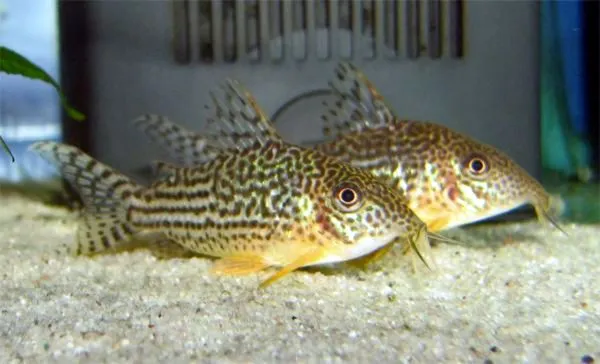
Why Is My Cory Catfish Gasping at the Surface?
Corydoras do breathe air through the hindgut, so some surfacing is normal. Here is how to tell a healthy gulp from a genuine oxygen or water-quality emergency.
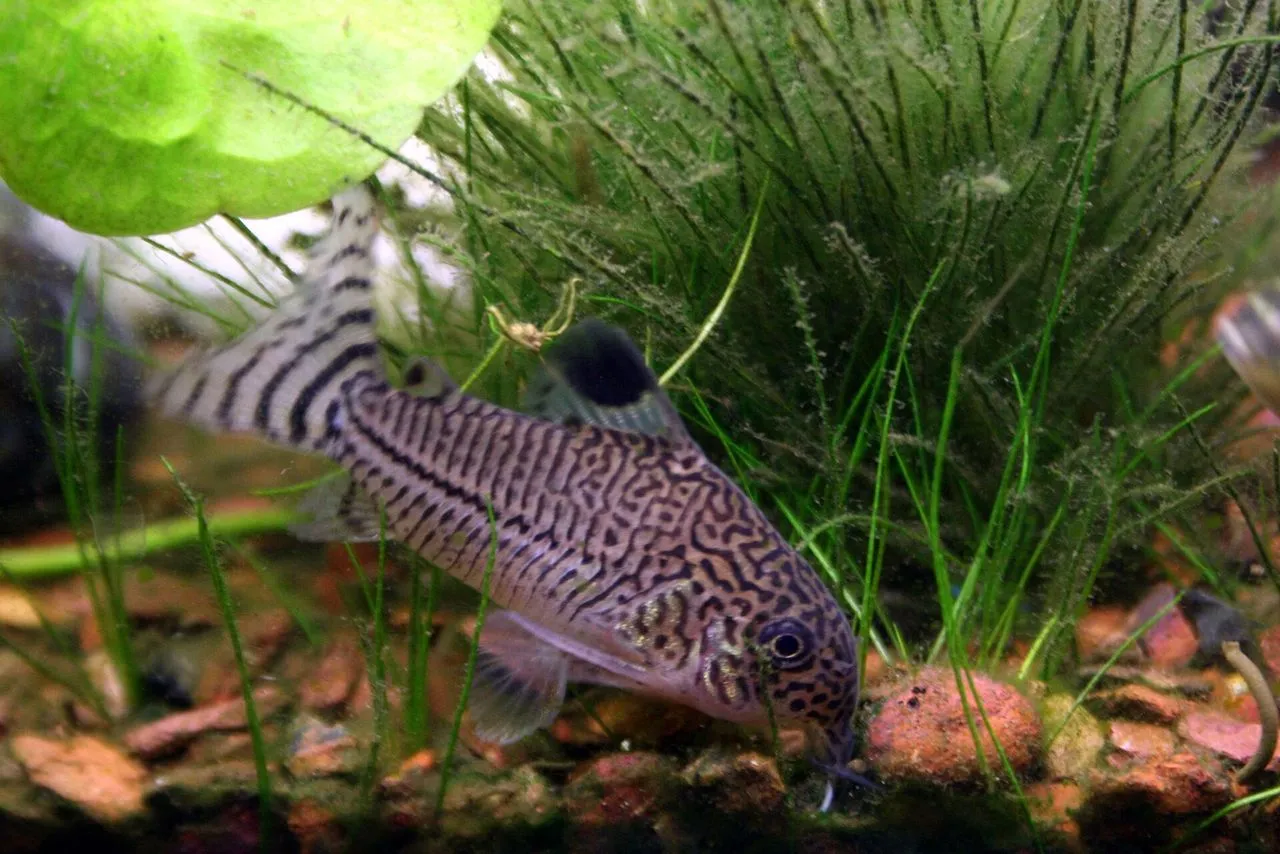
Why Is My Pleco Not Eating Algae?
Why your pleco has stopped — or never started — eating algae: species mismatch, adult diet shift, overfeeding, and which loricariids actually control algae long-term.
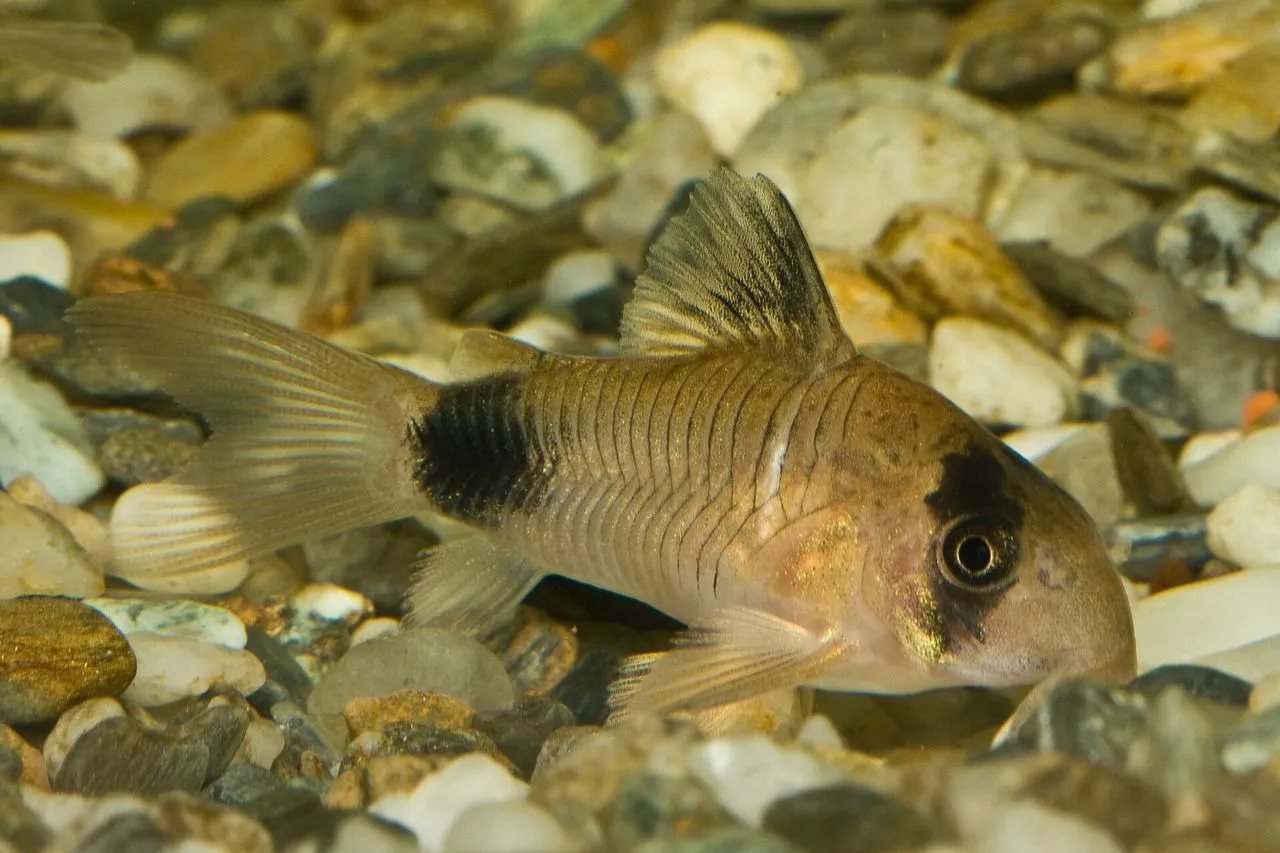
Corydoras vs Otocinclus for Cleanup
Corydoras and otocinclus are both sold as cleanup crew but clean different things. Corydoras scavenge substrate detritus and leftover food; otocinclus eat soft algae and biofilm from surfaces. This comparison covers diet, sourcing, tank requirements, and which to choose.
Why Is My Otocinclus Not Eating?
Otocinclus refusing food is almost always arrival starvation or a tank too young to carry biofilm. Here is how to diagnose which, and what can still be done.
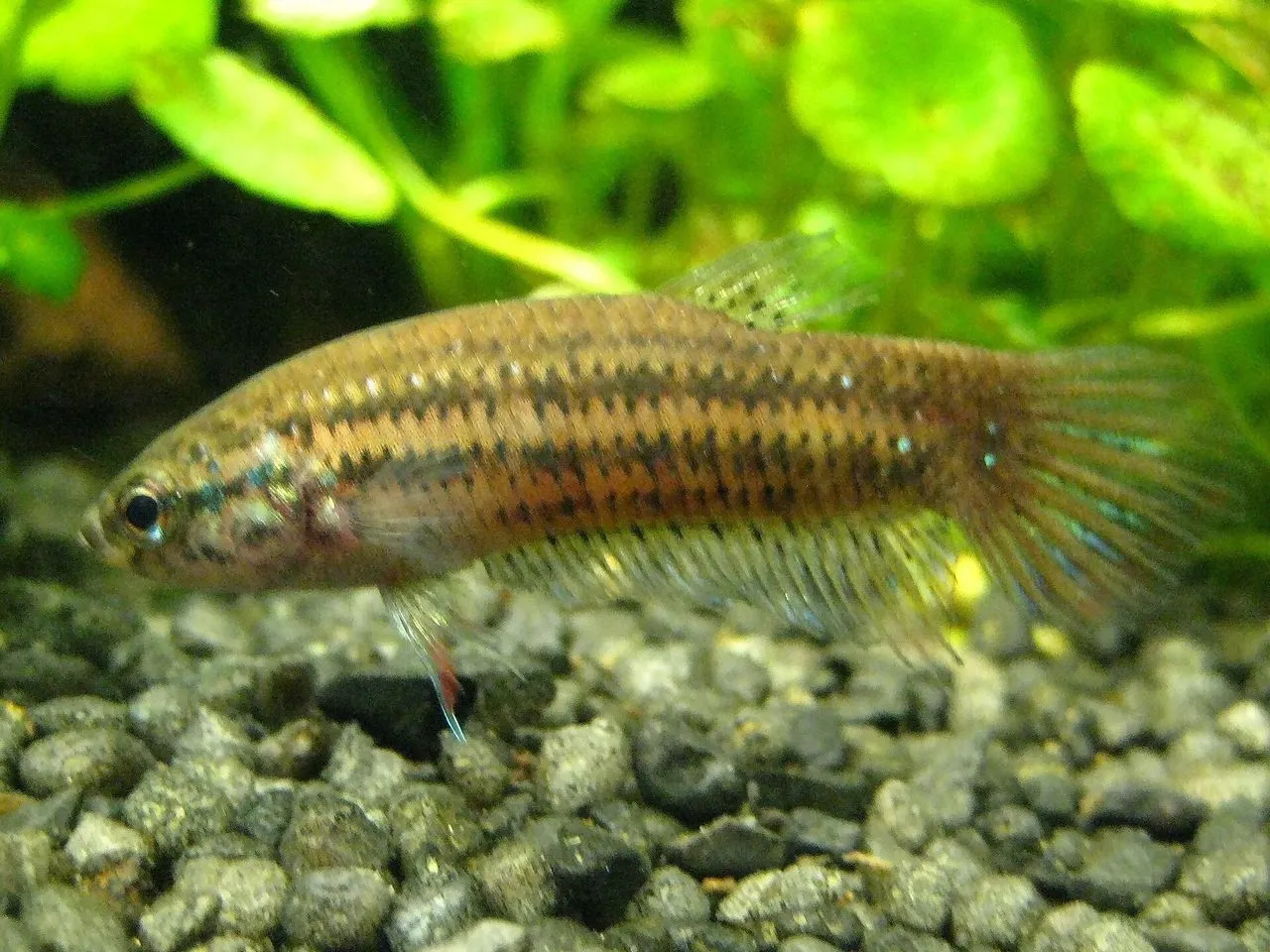
Why Is My Gourami Flaring?
Gourami opercular flaring is normal anabantoid display behaviour in the right context. This guide separates brief courtship and territorial flaring from chronic stress-driven displays that cause injury and death.
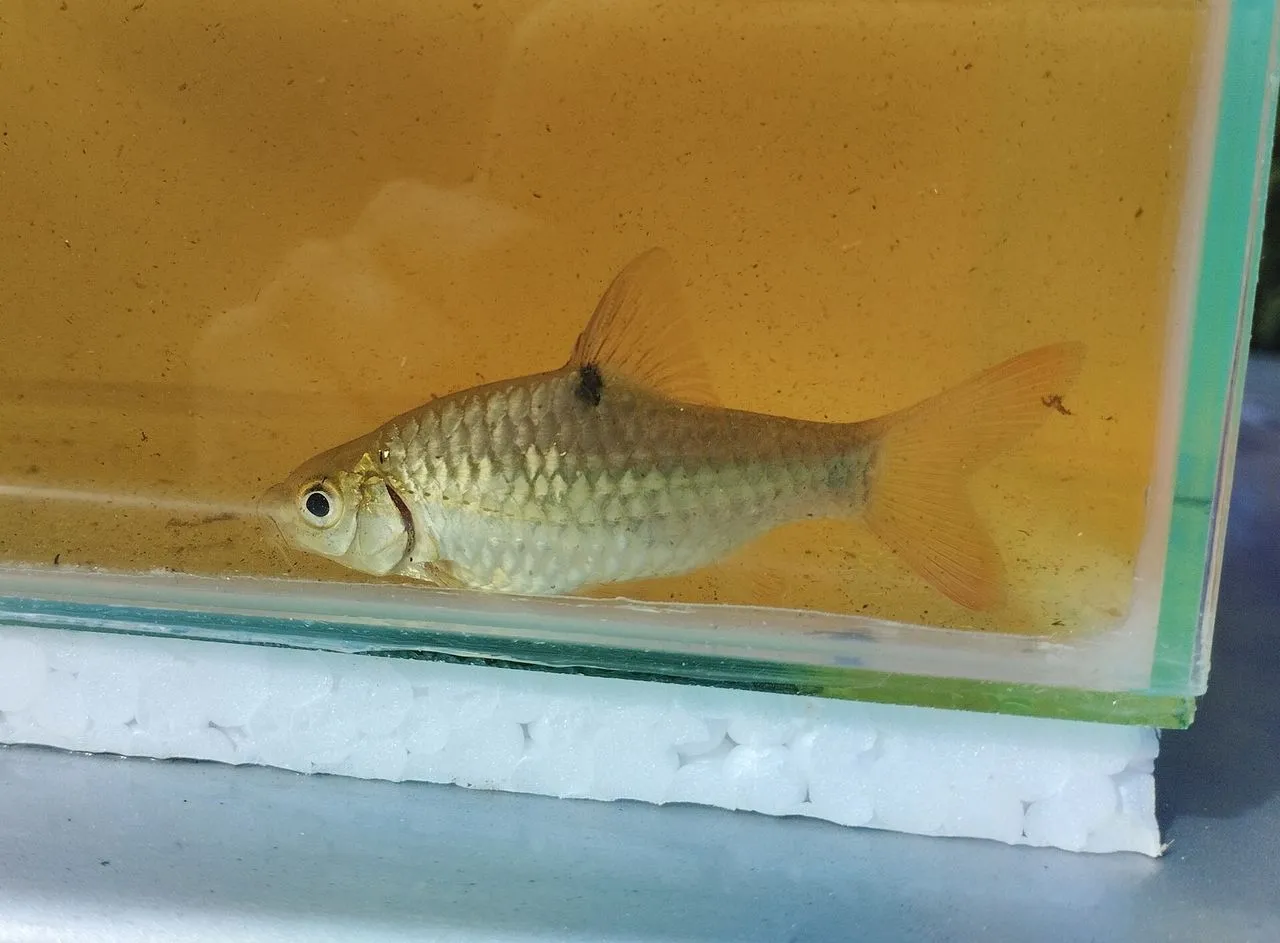
Why Are My Tiger Barbs Attacking Each Other?
Tiger barb aggression inside the shoal almost always means the group is too small. Here is how to identify the type of conflict, fix shoal size and sex ratio, and choose tankmates that do not attract nipping.
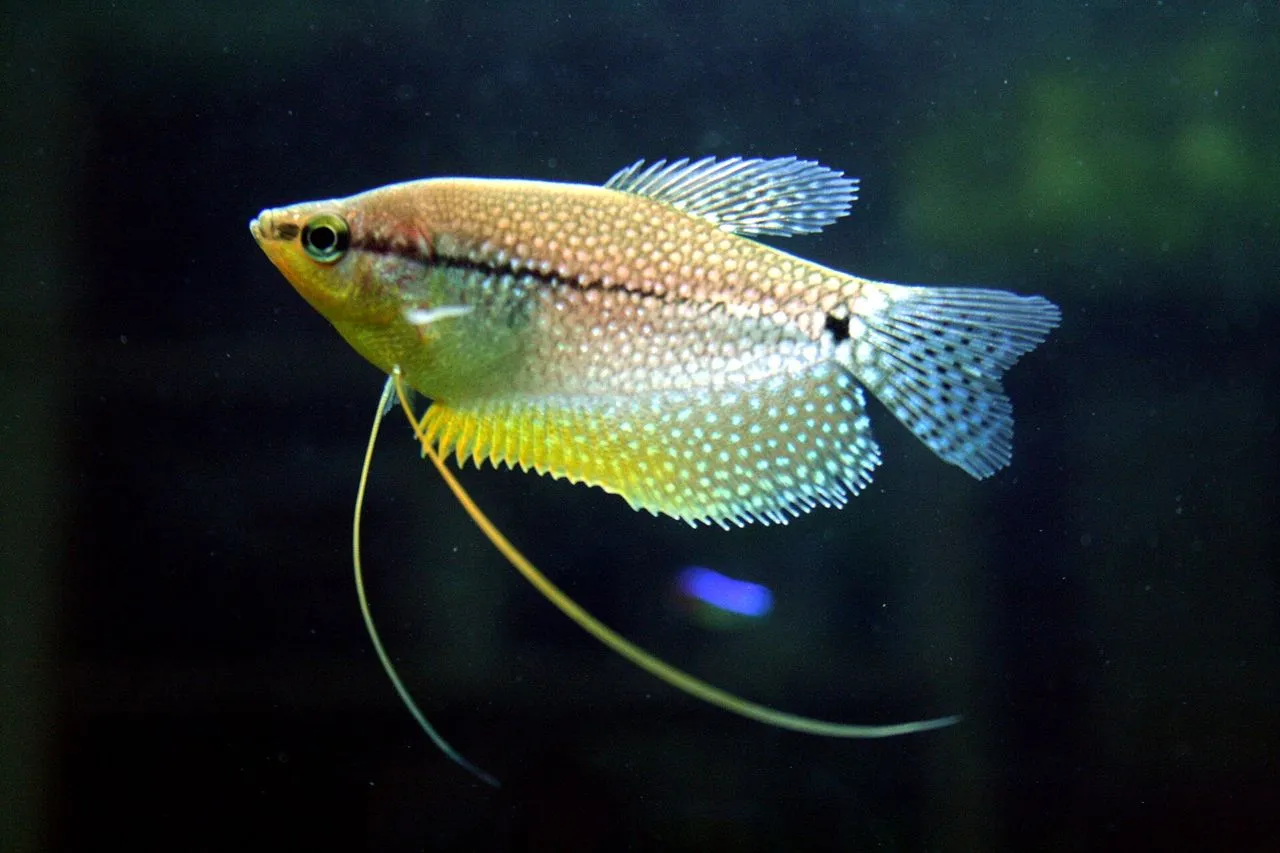
Why Is My Betta Laying on the Bottom?
A triage guide to Betta splendens lying on the substrate: from harmless resting on a broad leaf to ammonia poisoning, swim-bladder disorder, and terminal decline in fancy strains.
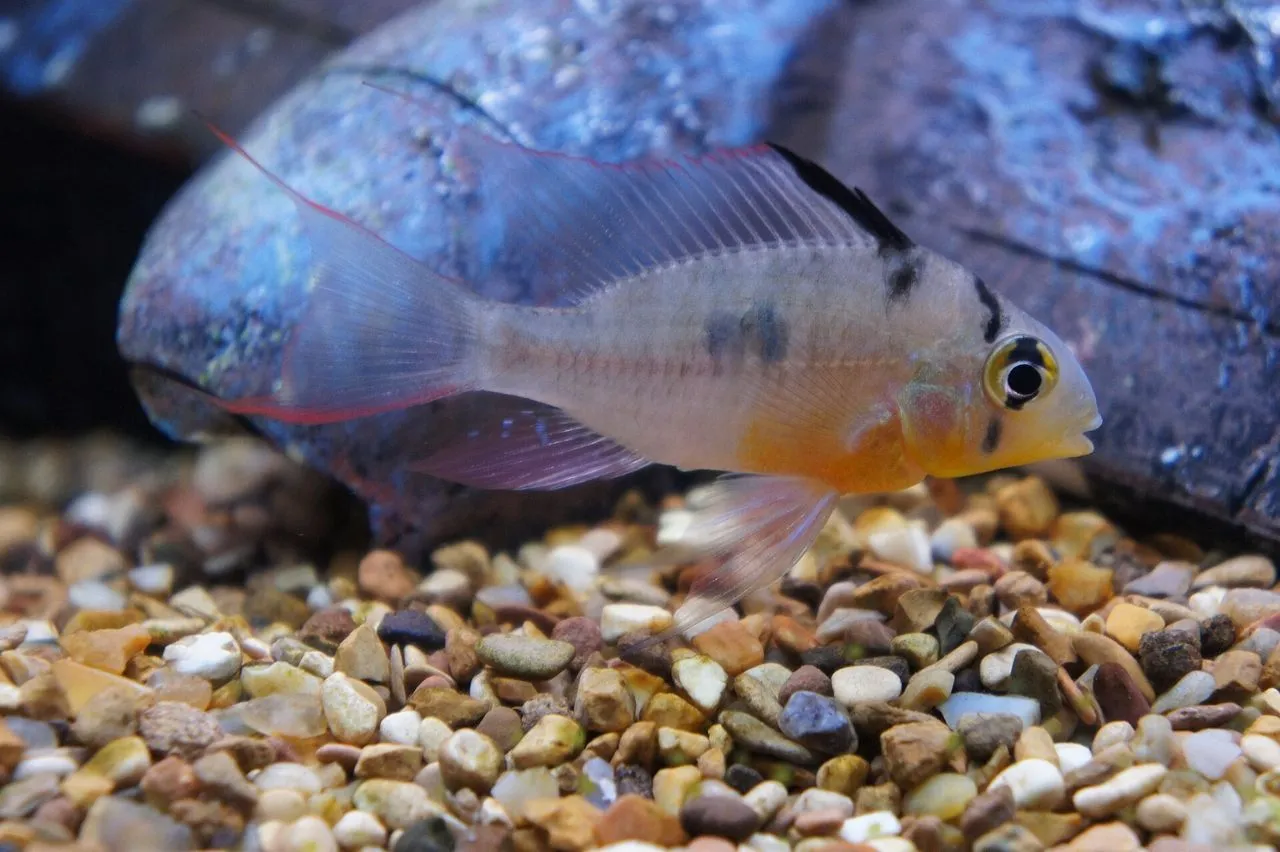
Why Is My Ram Cichlid Hiding?
Ram cichlids hide when temperature, conductivity, or social conditions fall outside their tolerance. Nine causes explained with diagnostic steps and fixes, from hormone-compromised farm stock to breeding behaviour.
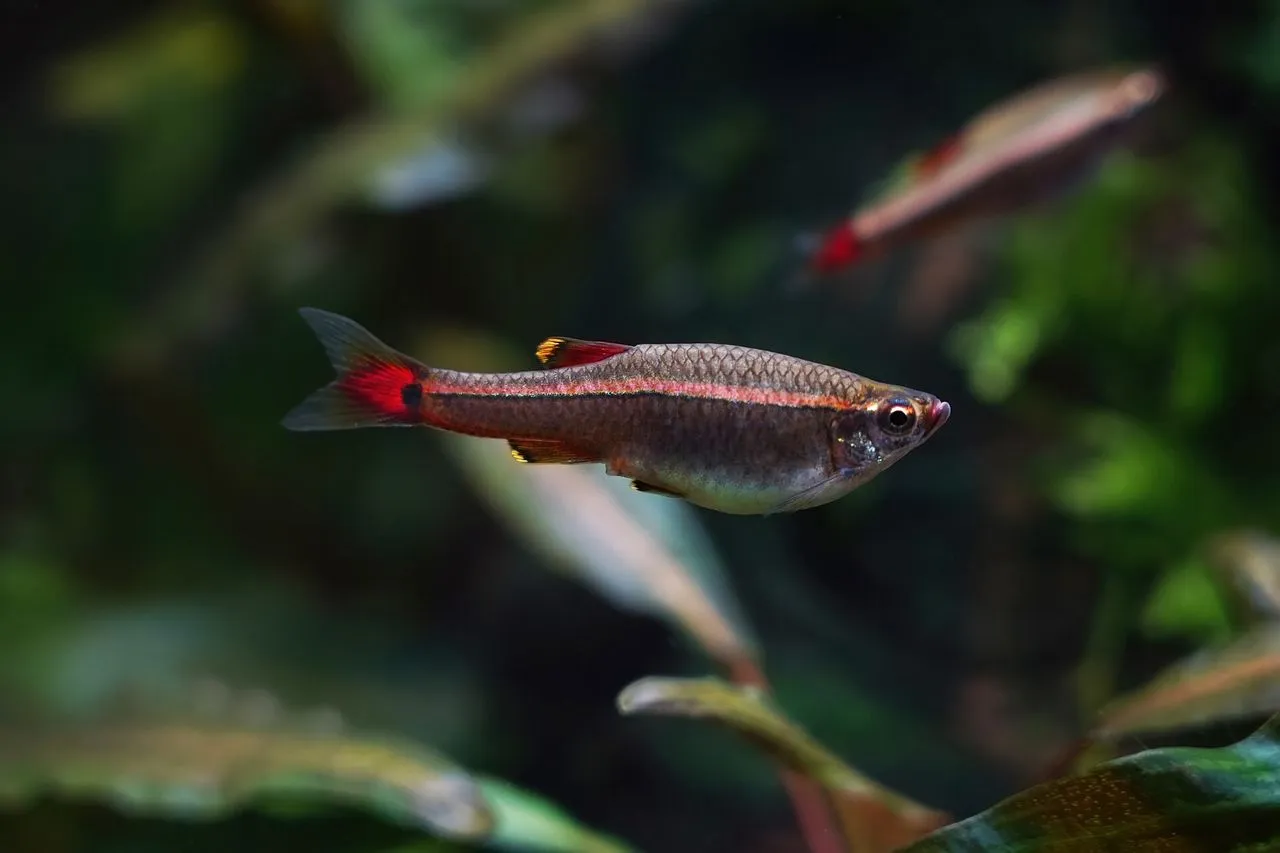
Why Won't My Harlequin Rasboras School?
Why harlequin rasboras don't school in a well-run aquarium — the shoaling vs schooling distinction, group size, tank dimensions, tankmates, and what chronic clustering actually signals.
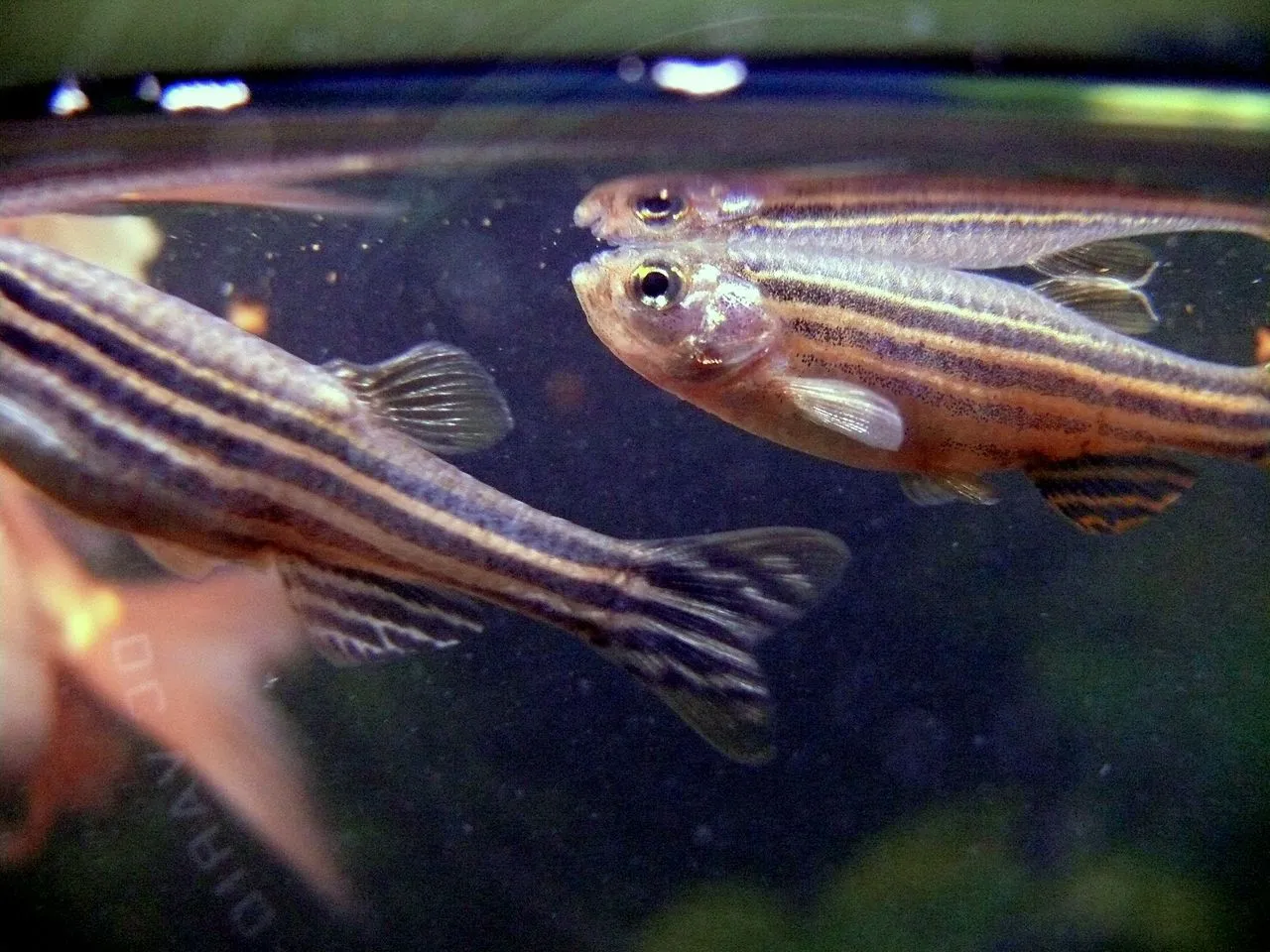
Harlequin vs Chili Rasbora for Nano Tanks
Harlequin and chili rasboras are sold as nano fish but need very different tanks. A direct comparison of size, tank volume, water chemistry, biotope, and tankmate compatibility.
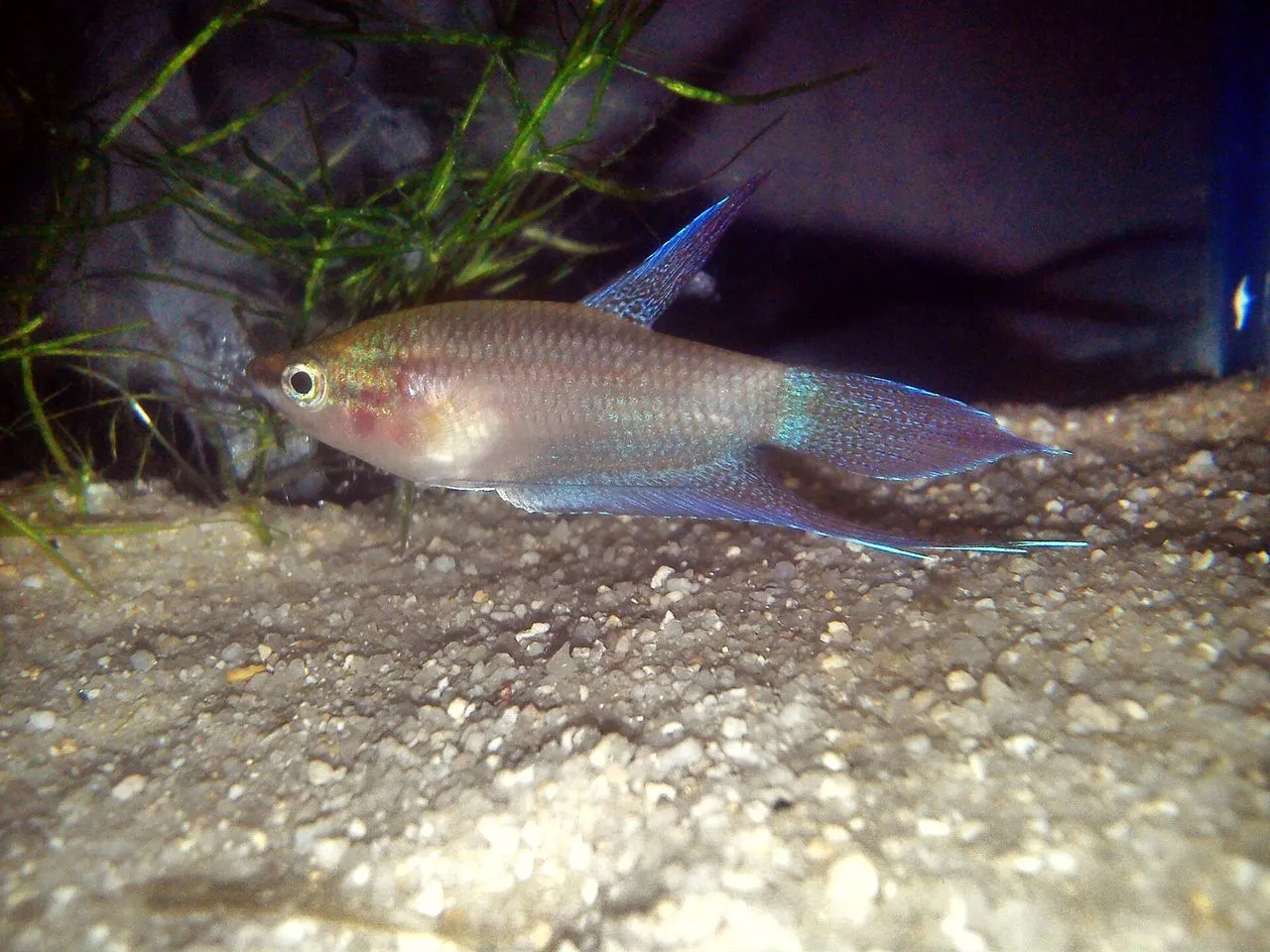
Betta vs Dwarf Gourami for Small Tanks
Betta splendens suits a 20–40 litre tank kept alone; Trichogaster lalius needs 60 litres for a stable pair and carries a documented iridovirus risk in commercial stock. This comparison covers tank size, temperament, parameters, disease risk, and tankmates.
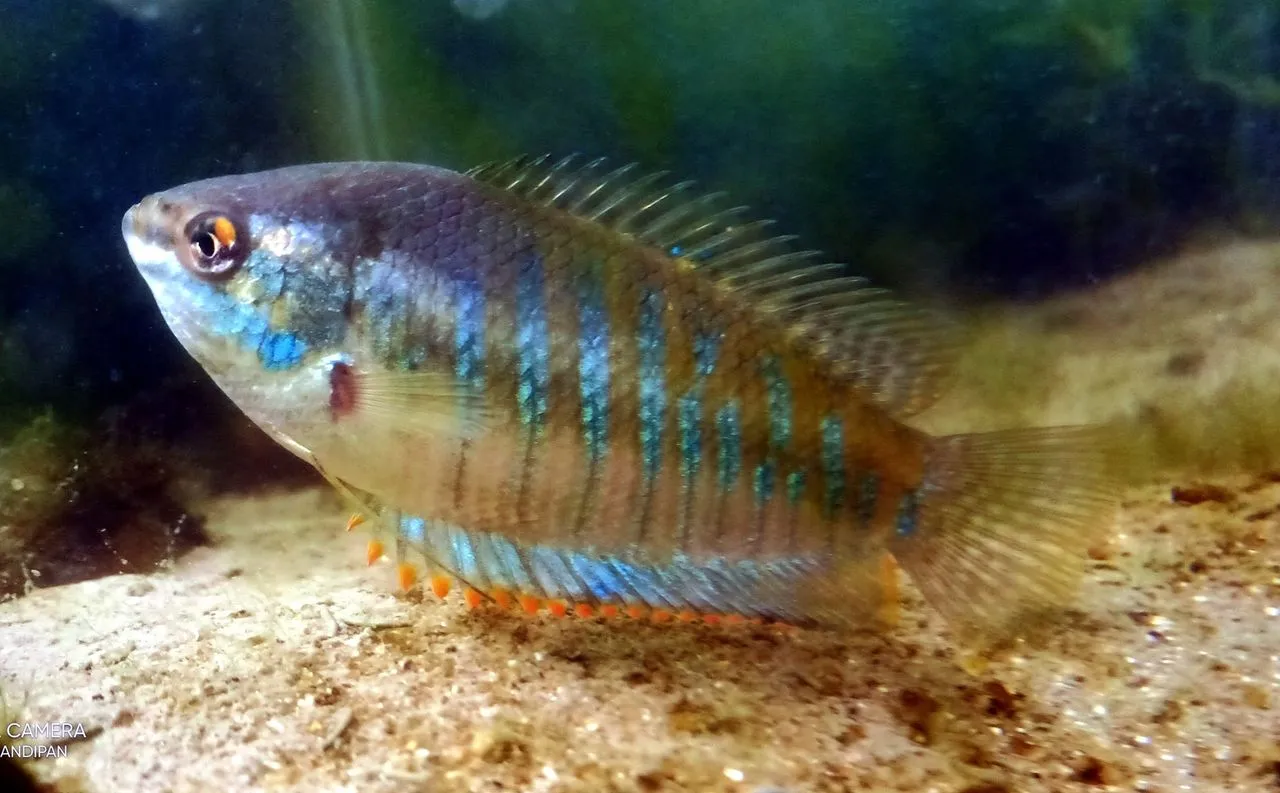
Why Does My Betta Have Clamped Fins?
Clamped fins in Betta splendens are the earliest stress signal before any other symptom appears. Causes range from ammonia poisoning and low temperature to velvet, ich, and fin rot.
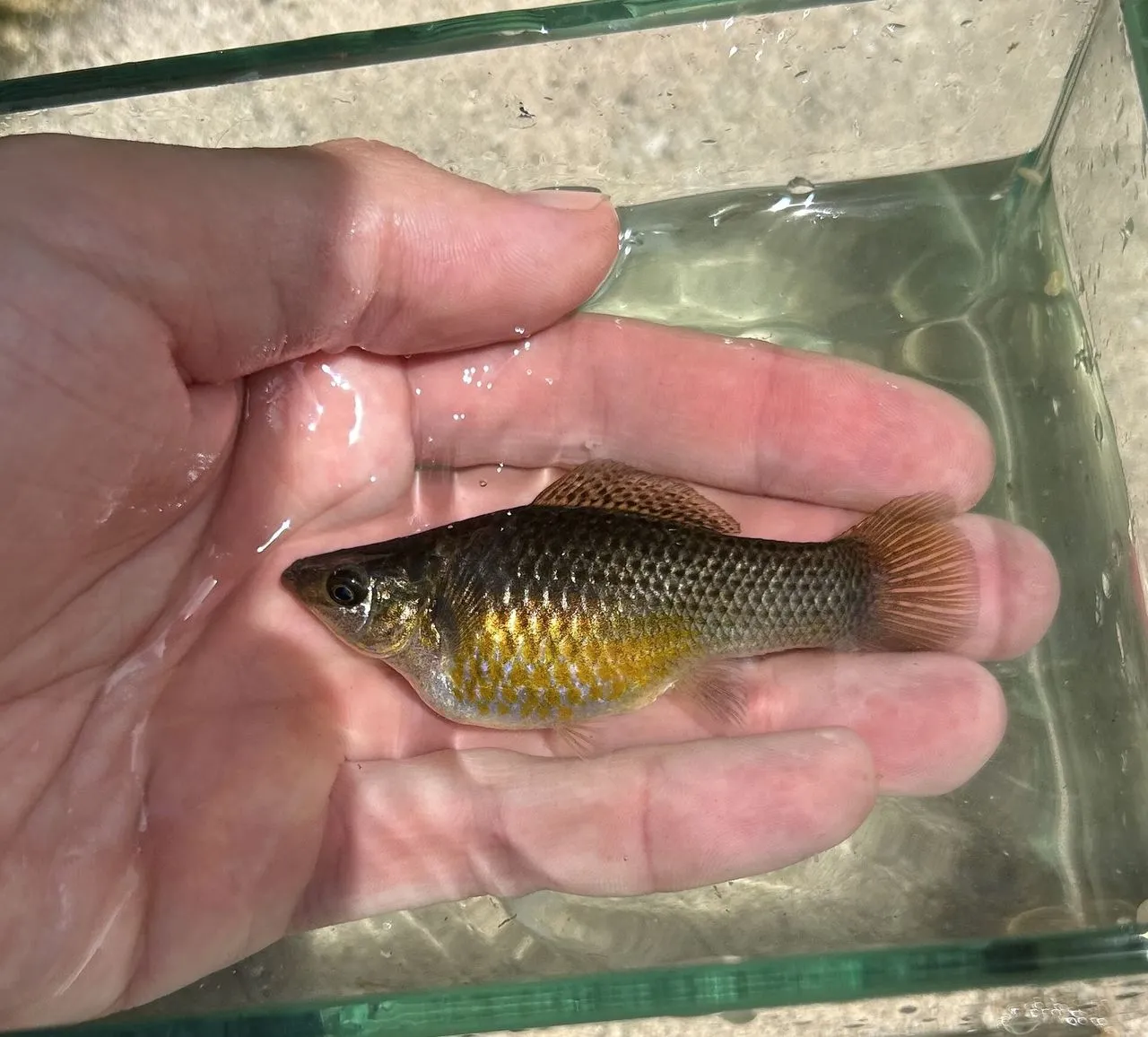
Why Do My Guppies Keep Dying?
Chronic guppy mortality traces to farm-line inbreeding, mycobacteriosis, and water that is too soft or too cold. How to diagnose the cause in your tank, and what changes actually work.
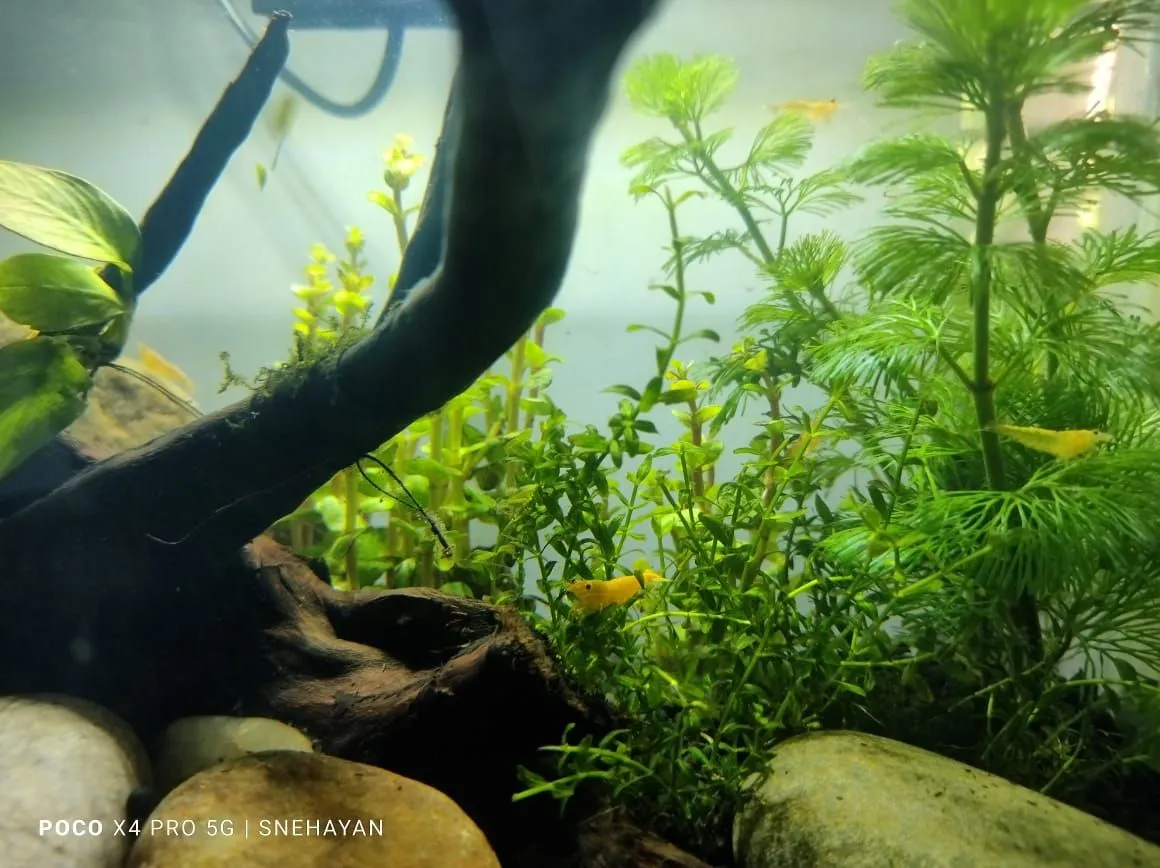
Why Are My Stem Plants Growing Leggy?
Leggy stem plants — long internodes, sparse leaves, stretched growth — are etiolation, a photoreceptor-driven response to insufficient PAR, wrong spectrum, or short photoperiod.
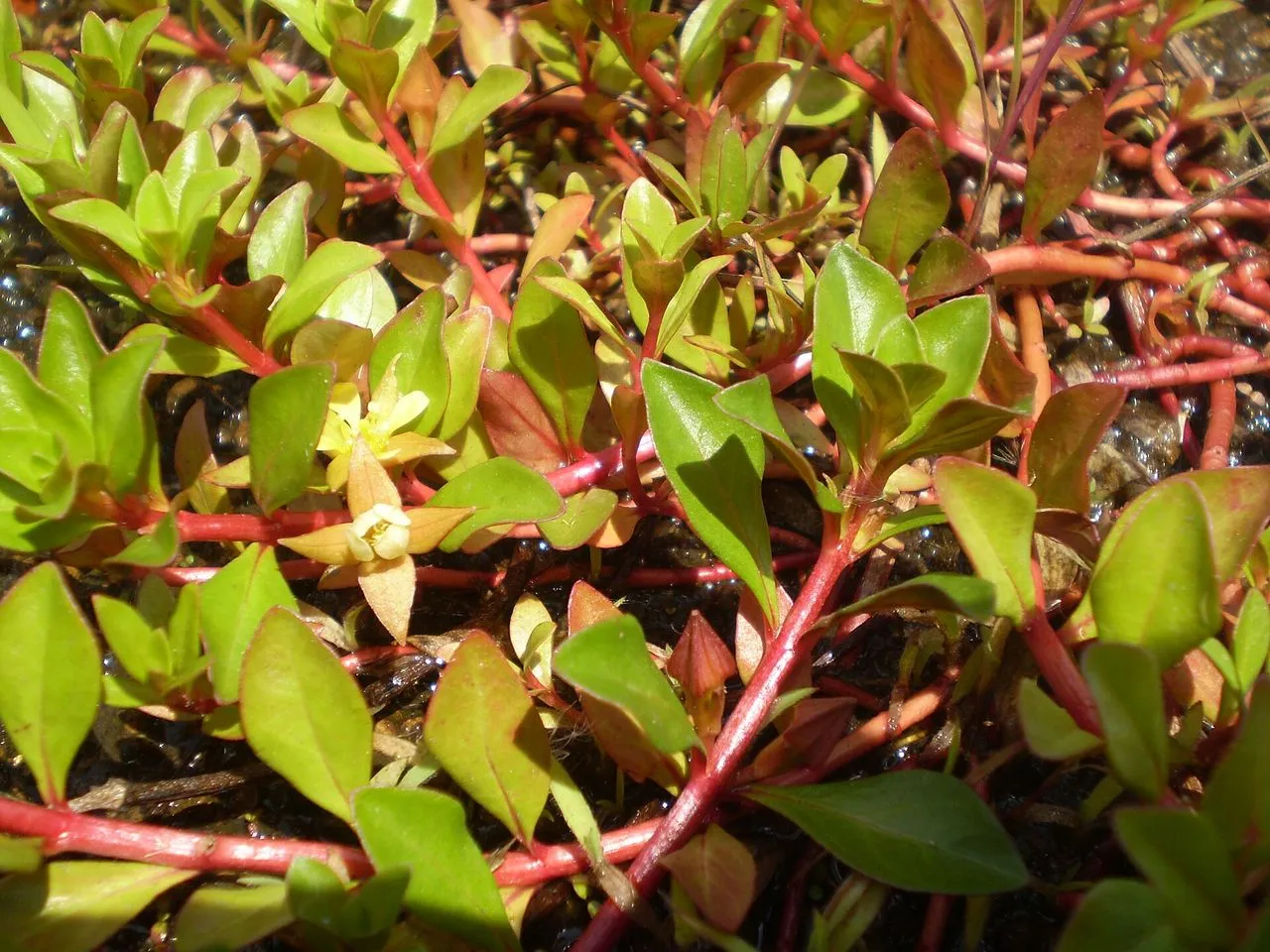
How to Prevent Algae in Low-Tech Tanks
How to keep algae out of a low-tech planted tank without CO2 injection: plant density, photoperiod, lean dosing, algae crew, and maintenance rhythm.
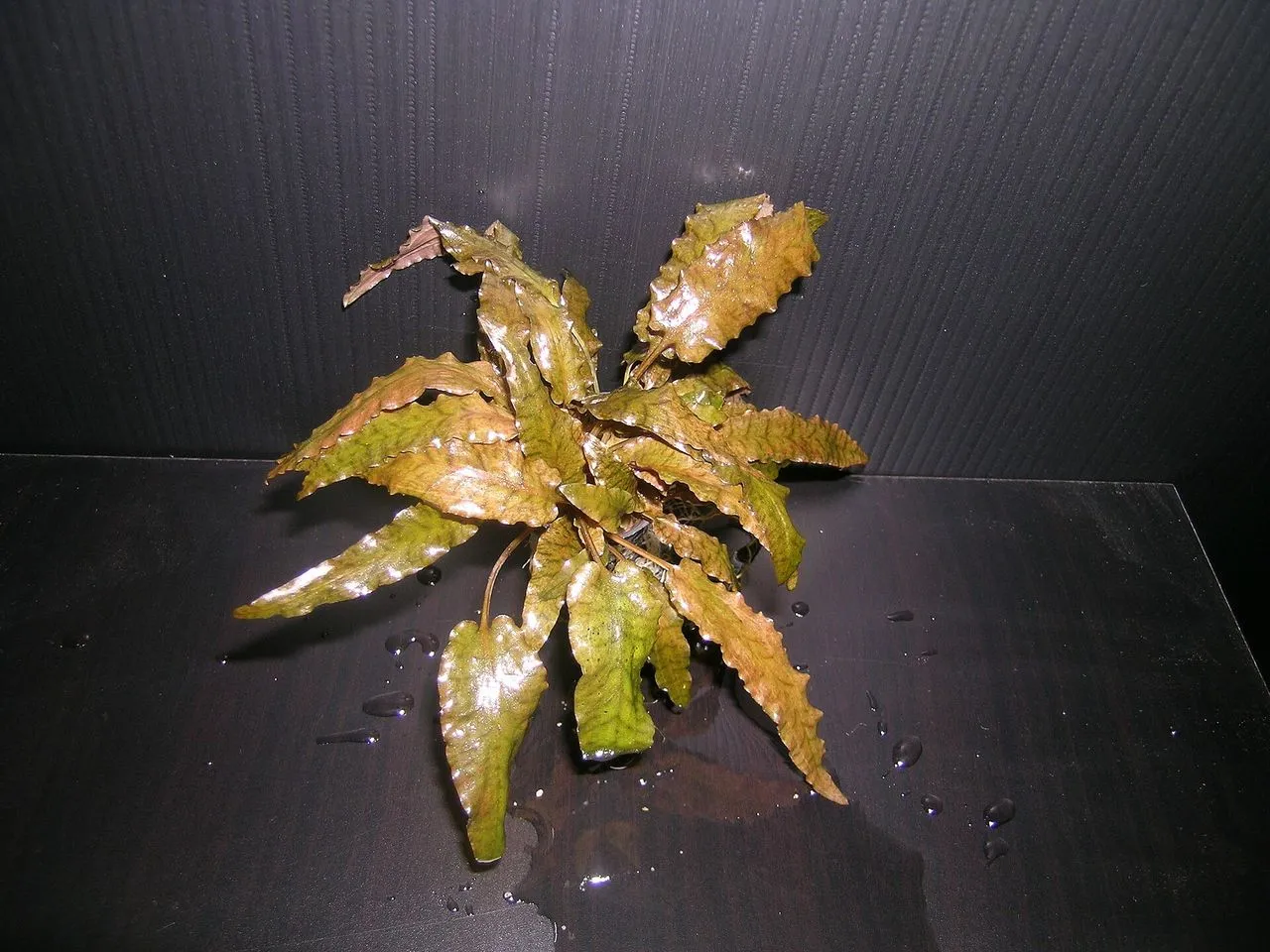
Why Are My Cryptocoryne Plants Melting?
Cryptocoryne melt is an adaptive leaf-shedding response, not a disease. Learn to distinguish recoverable melt from rhizome rot, the six main triggers, and how to help your crypts return to full growth in 4-8 weeks.
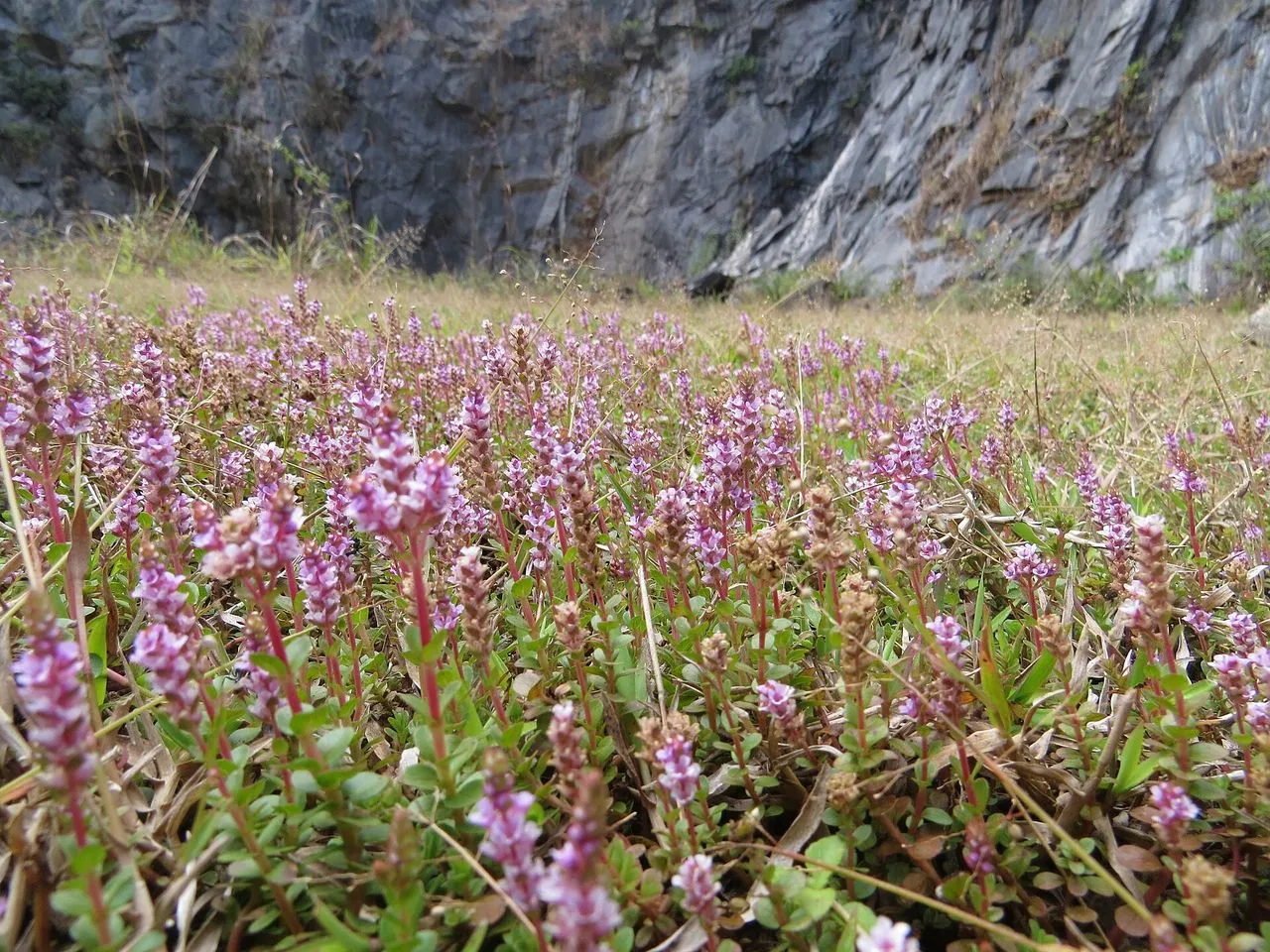
Why Is Black Beard Algae on My Plants?
Black beard algae (Audouinella spp.) colonises plant edges and hardscape when CO2 fluctuates. Identification, causes, spot-treatment options, and the systemic correction that prevents regrowth.
Why Are My Aquarium Plants Turning Yellow?
Why aquarium plants turn yellow, diagnosed by leaf position: old leaves signal mobile-nutrient deficiency (nitrogen, potassium, magnesium); new growth signals iron or manganese shortage.
Discus vs Angelfish for a Soft-Water Community
Discus (Symphysodon spp.) vs angelfish (Pterophyllum scalare): water parameters, tank size, cost, and community compatibility compared — and why they should not share a tank.
Why Is My Angelfish Chasing Tankmates?
Angelfish chasing is usually pair-formation or breeding aggression — normal behaviour in maturing Pterophyllum scalare. Learn the cause, when to act, and how to prevent it.
Apistogramma vs German Blue Ram
Apistogramma and German blue rams share a shelf and a niche — but diverge sharply on parameter tolerance, social structure, hardiness, and sourcing reliability. This comparison shows who each one is actually for.
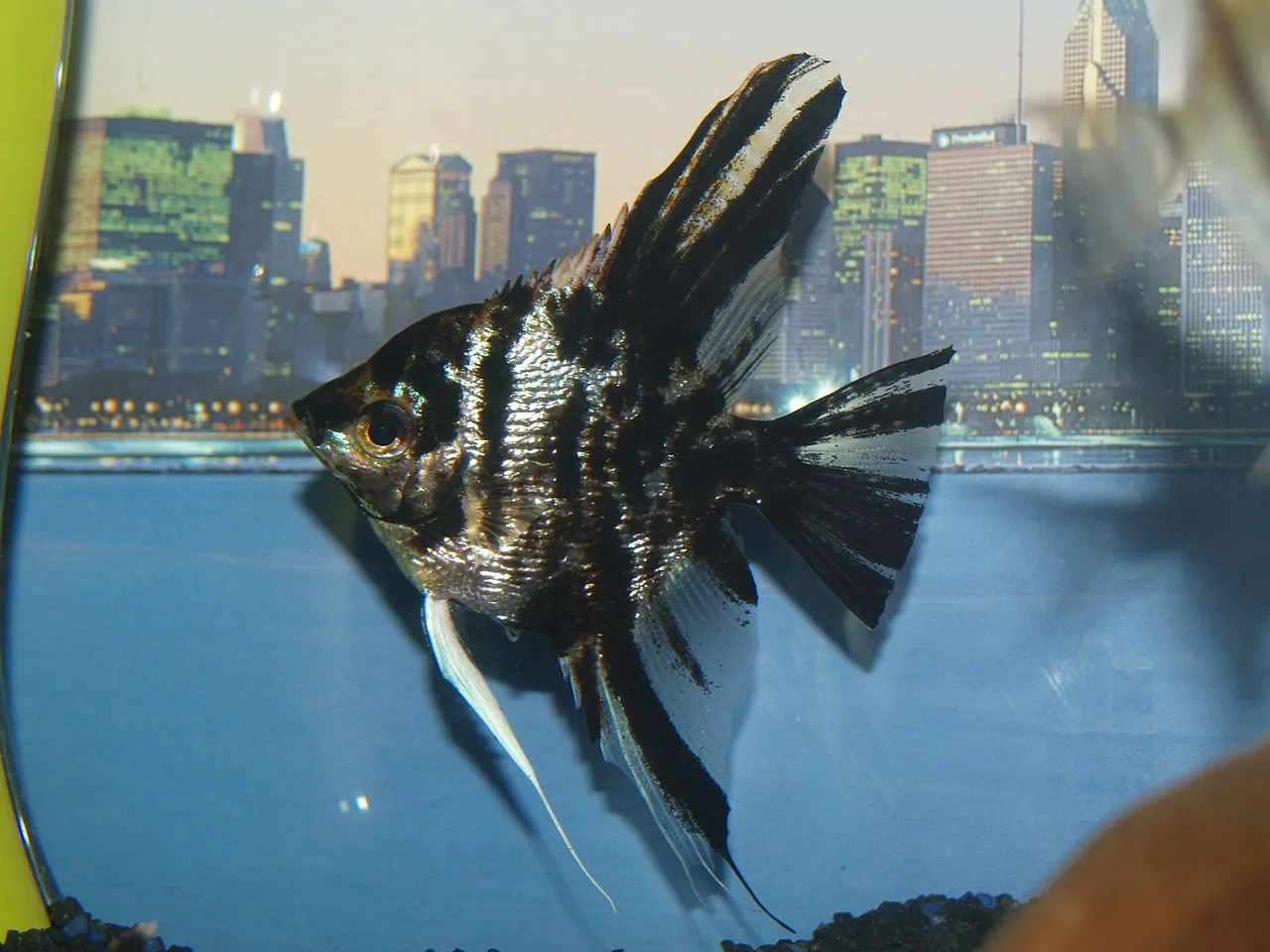
Why Is My Discus Losing Color?
Why discus (Symphysodon spp.) lose colour: diagnostic guide covering social stress, water-chemistry mismatch, Hexamita, gill flukes, and bacterial infection with targeted treatments.
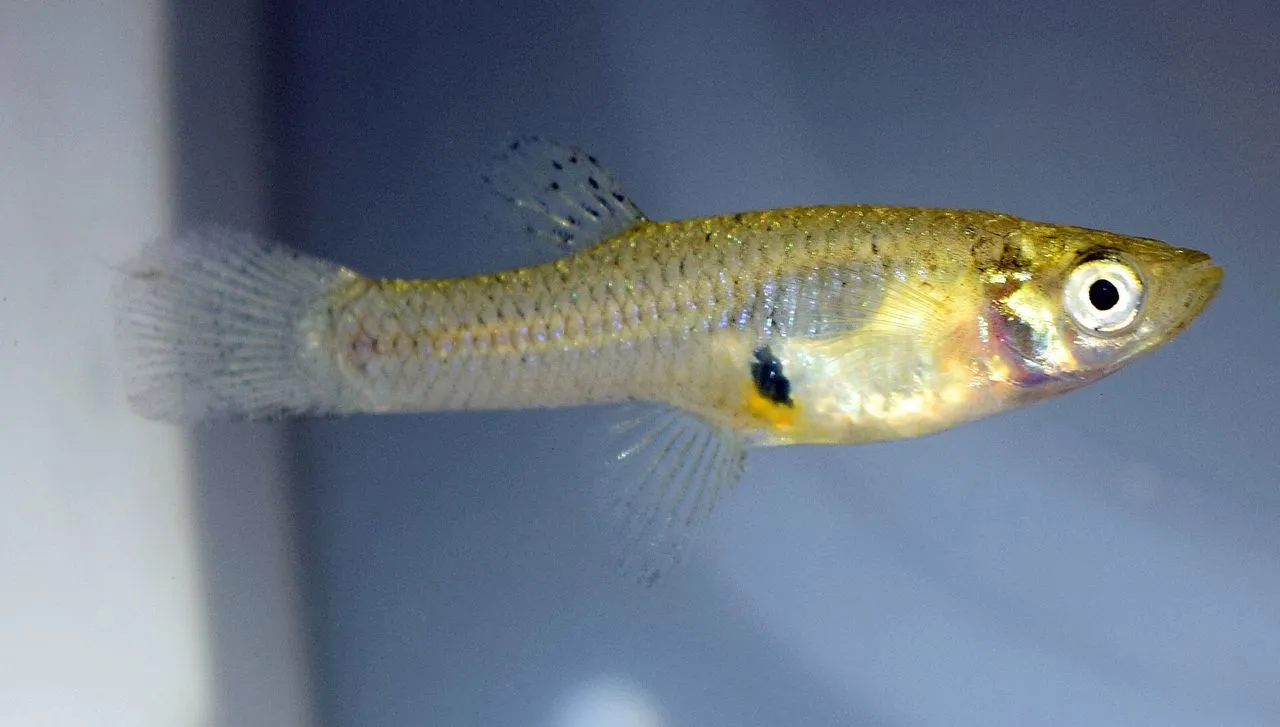
Why Are My Mollies Shimmying?
Molly shimmying is a neuromuscular symptom of osmotic stress — usually soft water. Causes, diagnosis, and step-by-step correction including marine salt use, temperature, and water change protocol.
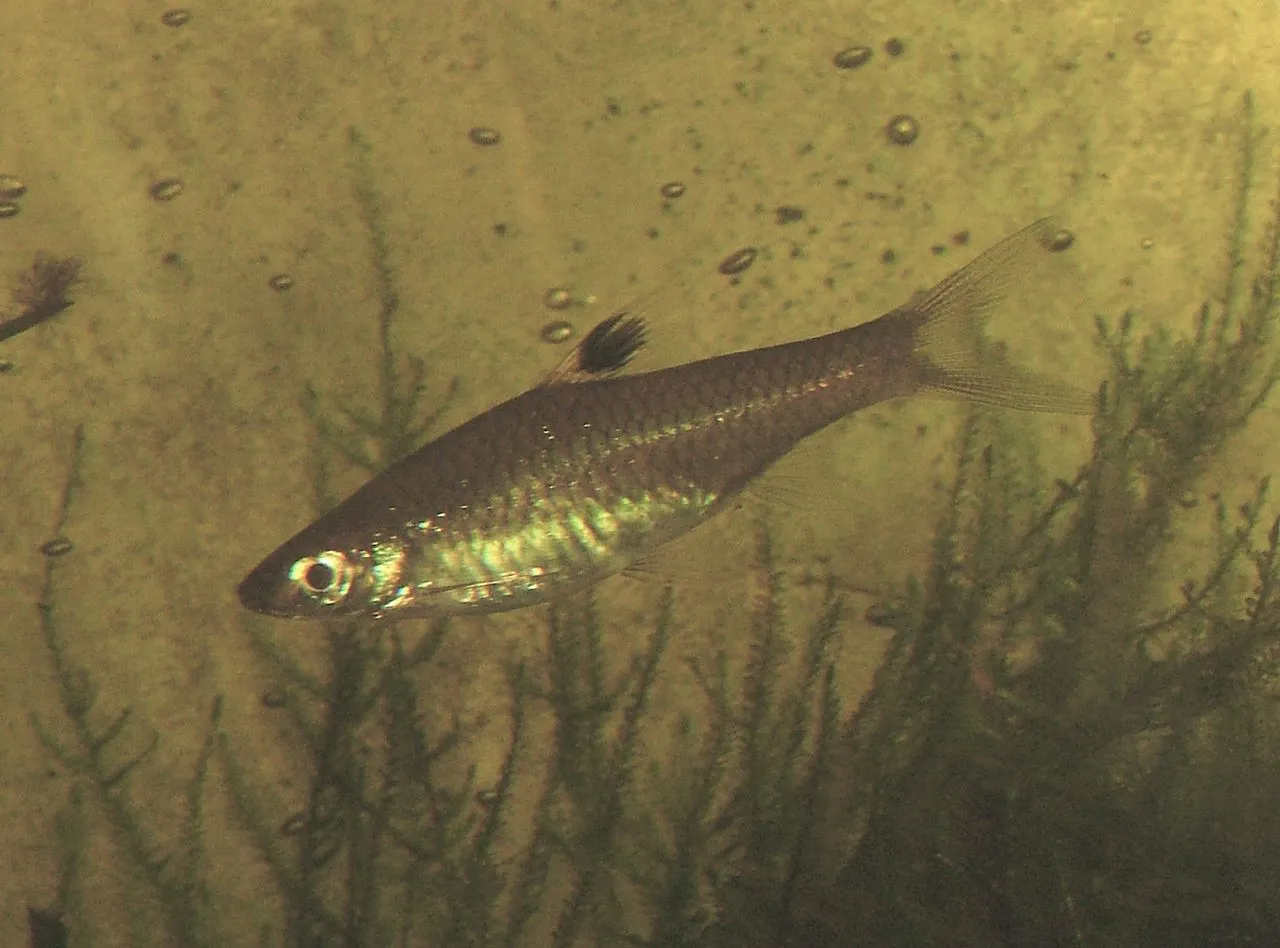
Why Are My Chili Rasboras Pale?
Pale chili rasboras almost always signal hard water, an undersized shoal, or a bright bare tank. Six documented causes and targeted fixes for Boraras brigittae colour loss.
Complete Guides
Pillars for every family
The Complete Aquarium Plants Guide: Low-Tech to CO2
Field reference to freshwater aquarium plants: growth forms, light and CO2 classes, substrate feeding, emersed transition, shop frauds.
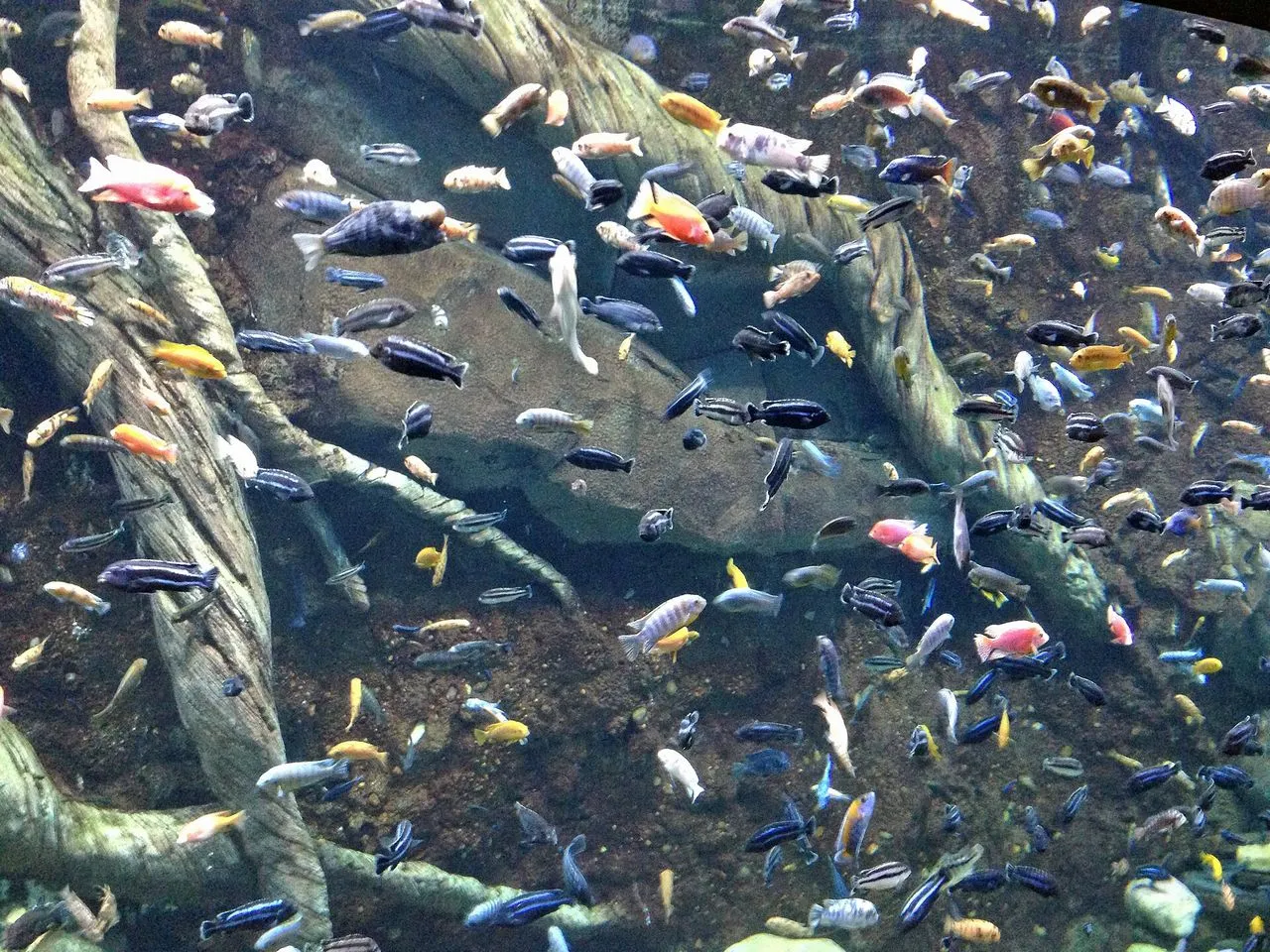
The Complete Cichlids Guide: African, Neotropical & Dwarf Species
Field reference to Cichlidae: taxonomy, identification, water chemistry, breeding modes, social systems.
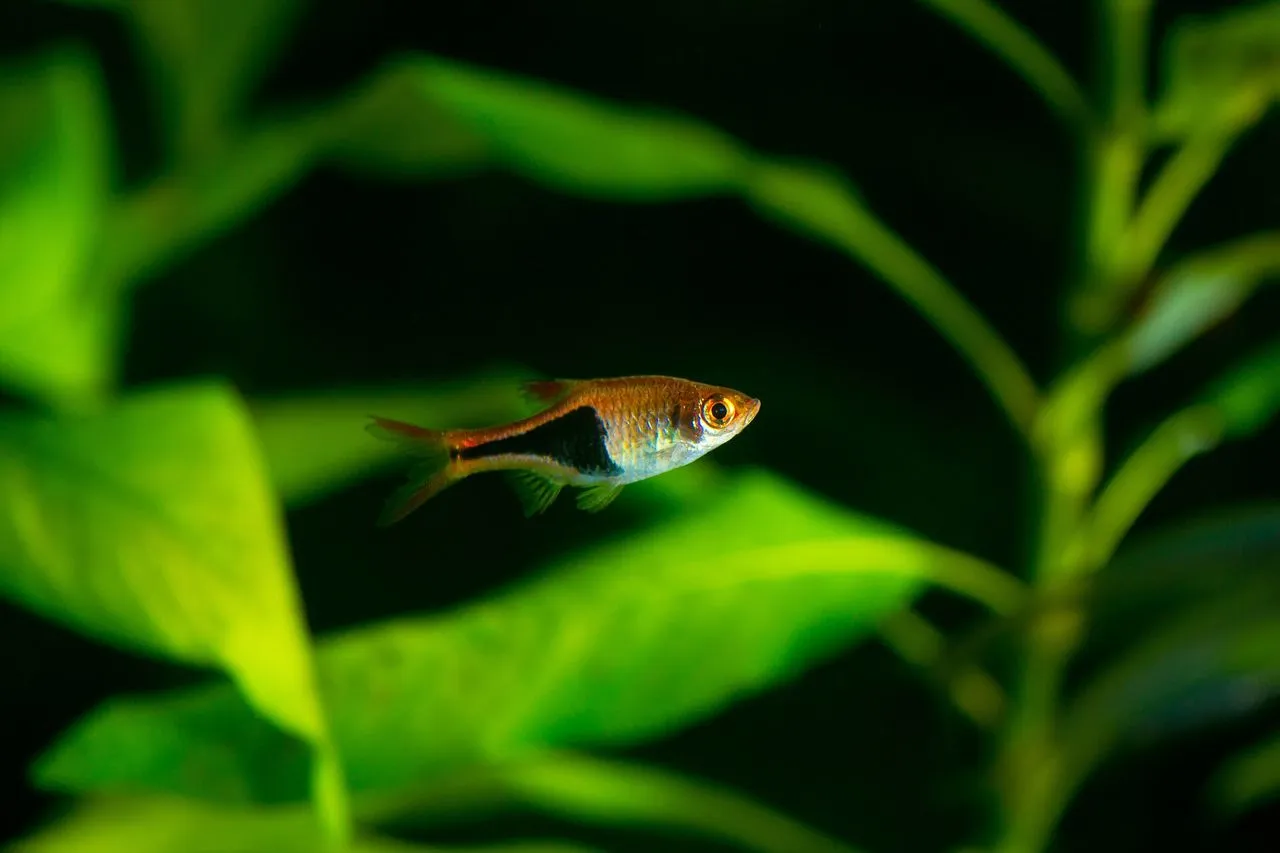
The Complete Rasboras & Danios Guide: Danionidae Care
Reference guide to rasboras and danios: Danionidae taxonomy, blackwater chemistry, shoaling behaviour, nano species, and aquarium husbandry.

The Complete Gouramis & Bettas Guide: Labyrinth Fish Care
Reference guide to anabantoid labyrinth fishes: gourami and betta taxonomy, air-breathing anatomy, breeding modes, blackwater chemistry, and aquarium husbandry.
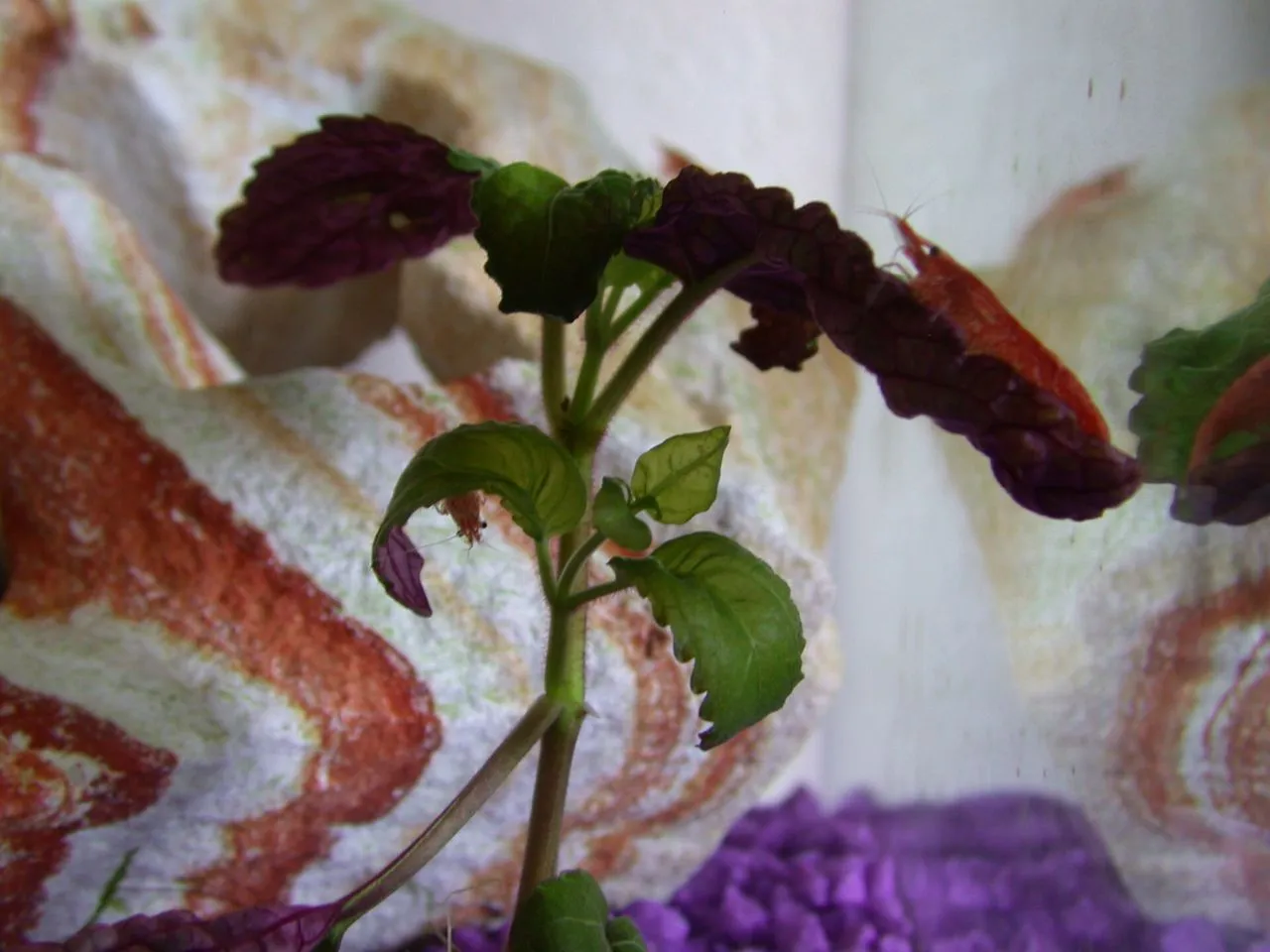
The Complete Shrimp & Snails Guide: Freshwater Invertebrates
Field reference to freshwater aquarium shrimp and snails: taxonomy, identification, water chemistry, moulting, copper sensitivity, bioload.
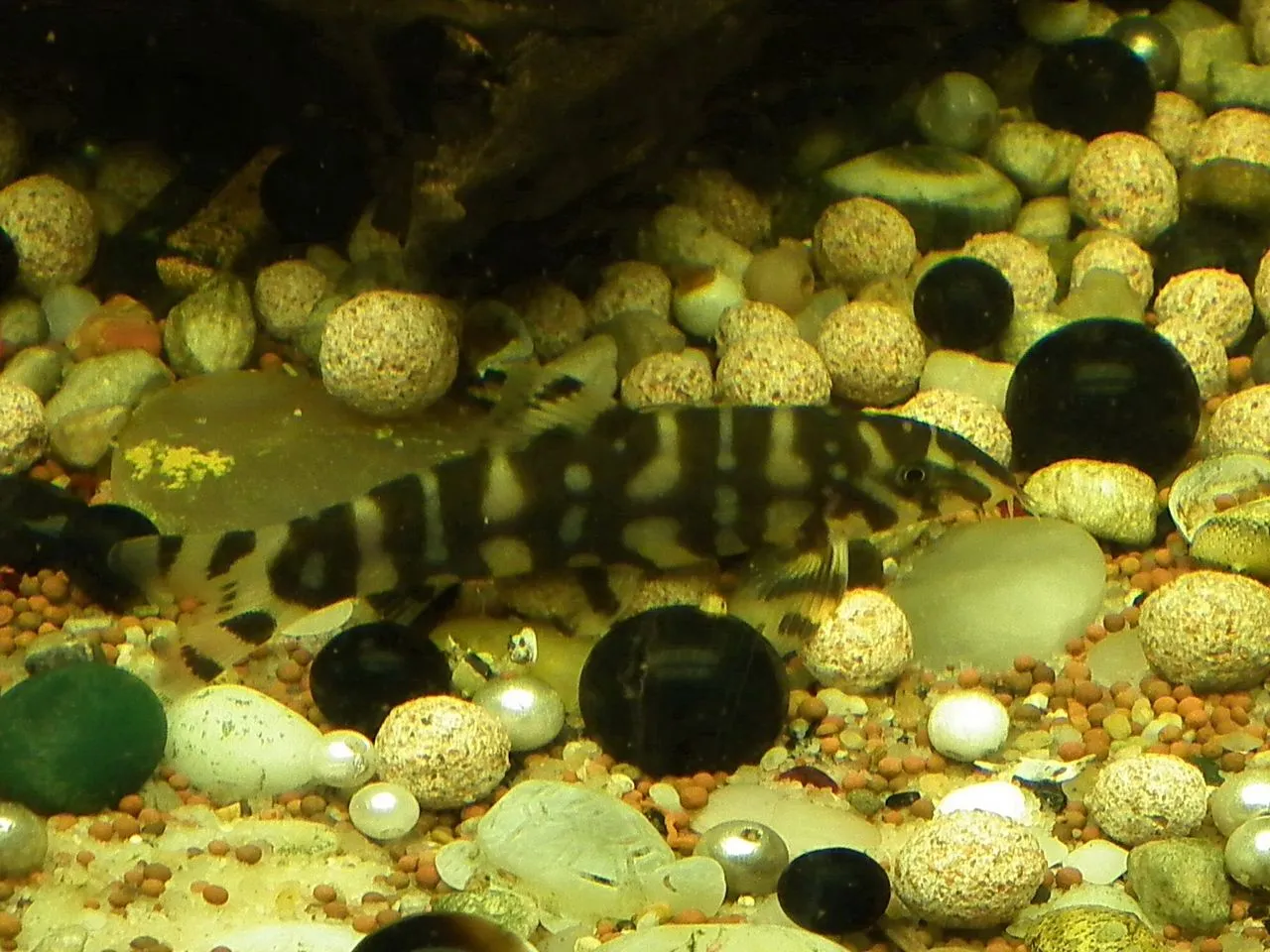
The Complete Loaches Guide: Kuhli, Clown, Botia & Hillstream
Field reference to Cobitoidea in aquaria: kuhli, clown, Botia, hillstream, weather, and stream loaches with taxonomy, behaviour, handling, and husbandry.
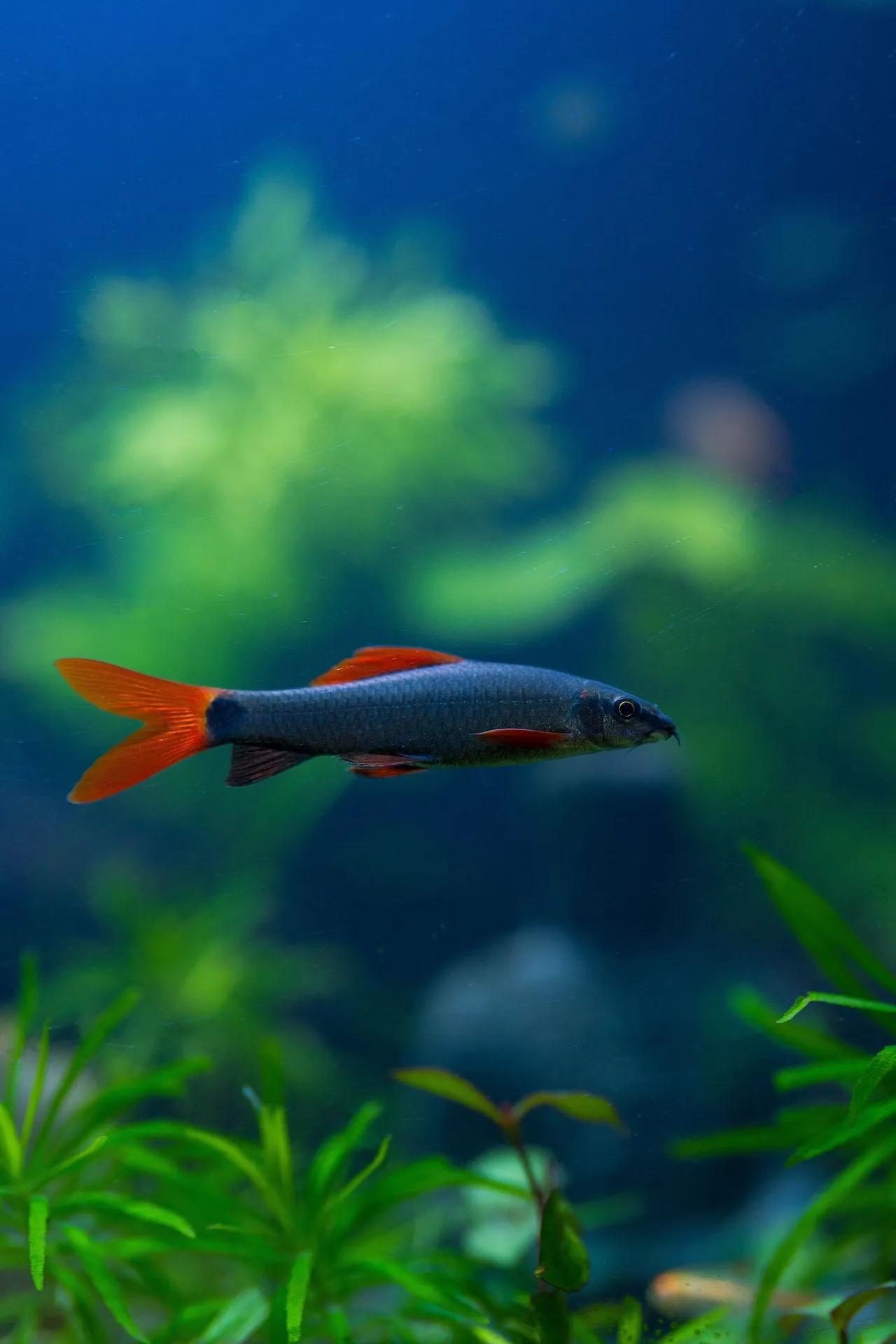
The Complete Aquarium Care Guide: Cycling, Water, Disease & Plants
Practical freshwater aquarium care reference covering cycling, filtration, GH/KH, pH, CO2, algae, disease prevention, quarantine, and water-change routines.
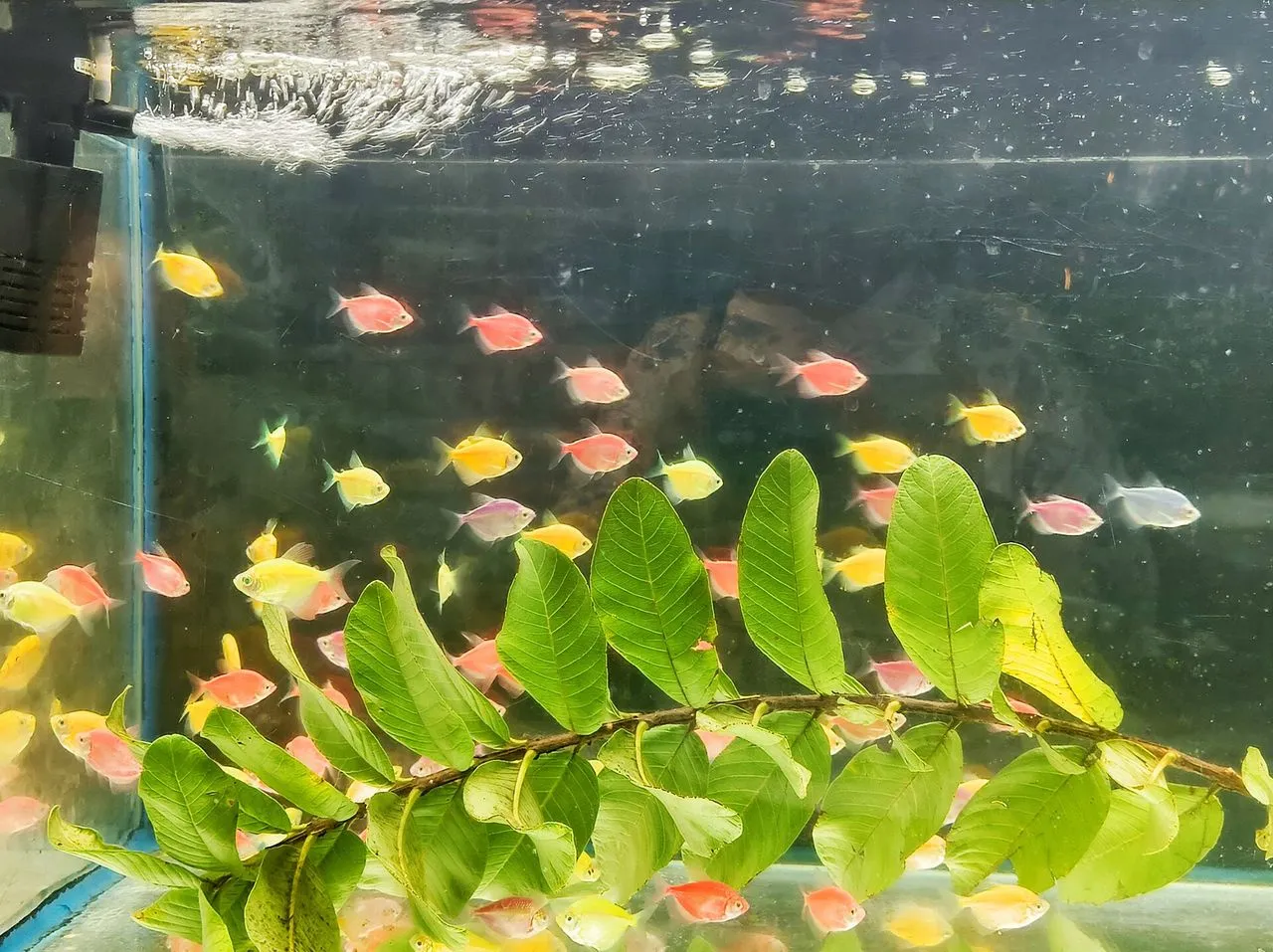
The Complete Tetras Guide (Characidae): Schooling & Care
Scientific and practical reference to aquarium tetras: taxonomy, identification, true schooling versus shoaling, blackwater chemistry, disease.