Family Reference
Aquarium Care
Cross-species practical guides: cycling, water chemistry, filtration, lighting, disease diagnosis, algae control, and the maintenance habits that keep a tank stable for years.
The Complete Aquarium Care Guide: Cycling, Water, Disease & Plants
Practical freshwater aquarium care reference covering cycling, filtration, GH/KH, pH, CO2, algae, disease prevention, quarantine, and water-change routines.
Read the guide →Species & Profiles
All articles in this section
Why Does My New Aquarium Smell?
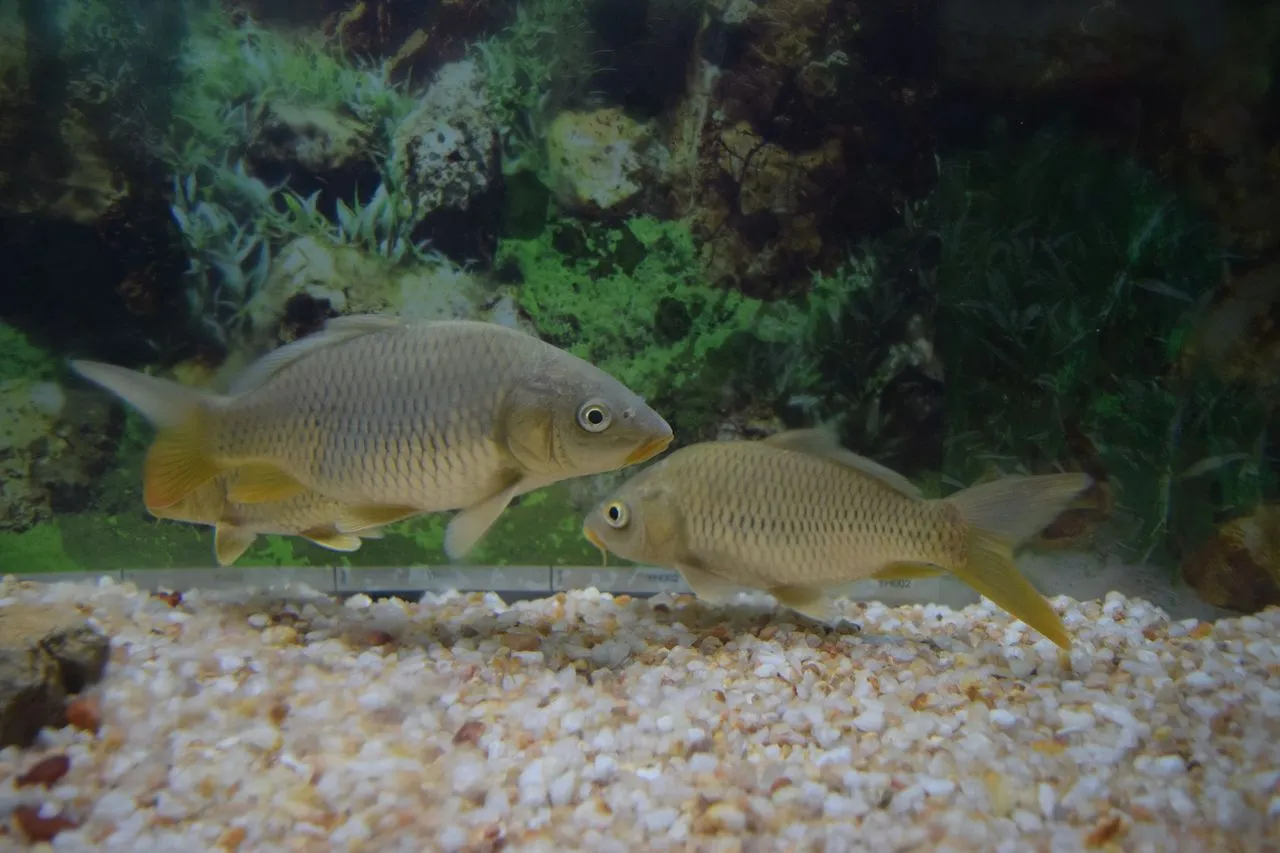
Aquarium smell is a diagnostic tool — rotten egg means hydrogen sulphide from anaerobic substrate (urgent); earthy or musty means cyanobacteria; fishy means dead matter or overfeeding; a sharp chemical edge means an uncycled tank with detectable ammonia.
How to Prevent Fish Jumping Out
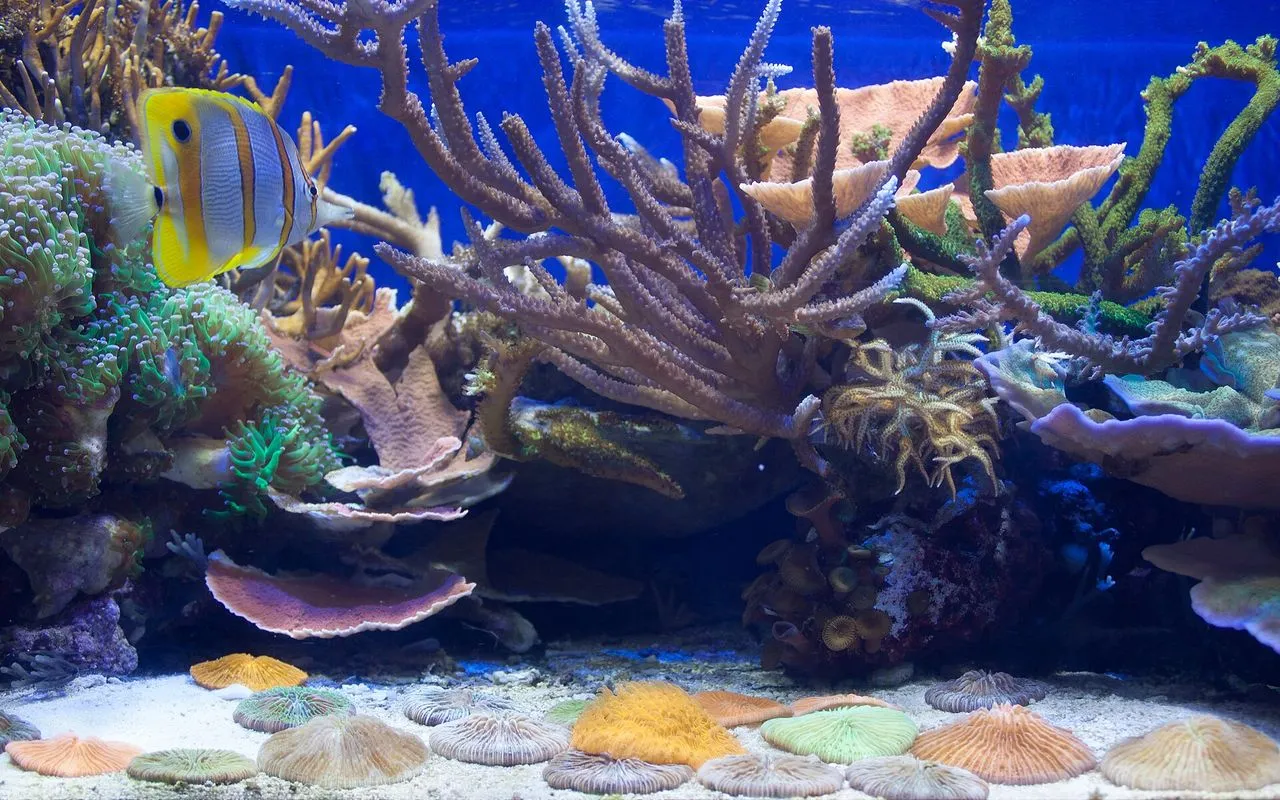
Stop fish jumping out with a tight lid, sealed cable gaps, calmer tank conditions, and species-specific checks for known jumpers like bettas, killifish, hatchetfish, and loaches.
Why Are My Fish Jumping Out of the Tank?
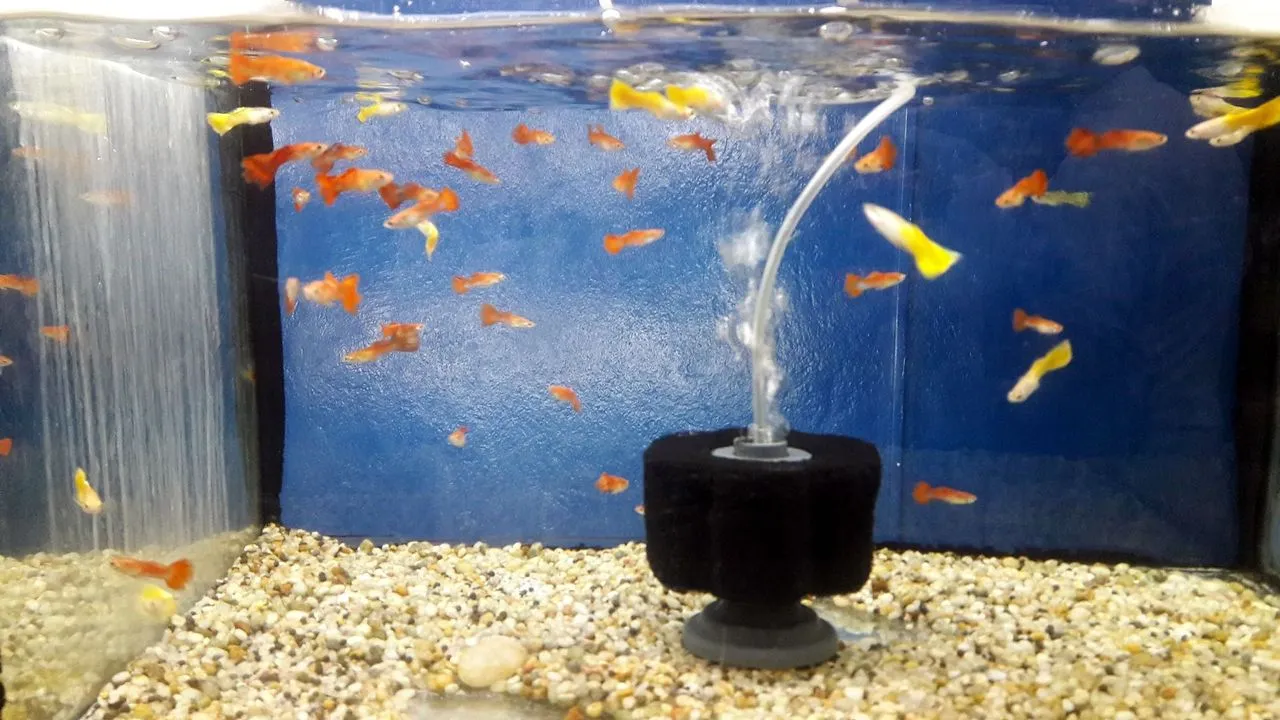
Fish jumping out of the tank is either species-natural behaviour or an escape response to water-quality failure. Identifying which takes two minutes; not identifying it costs you a fish.
How to Prevent Ammonia Spikes in New Tanks
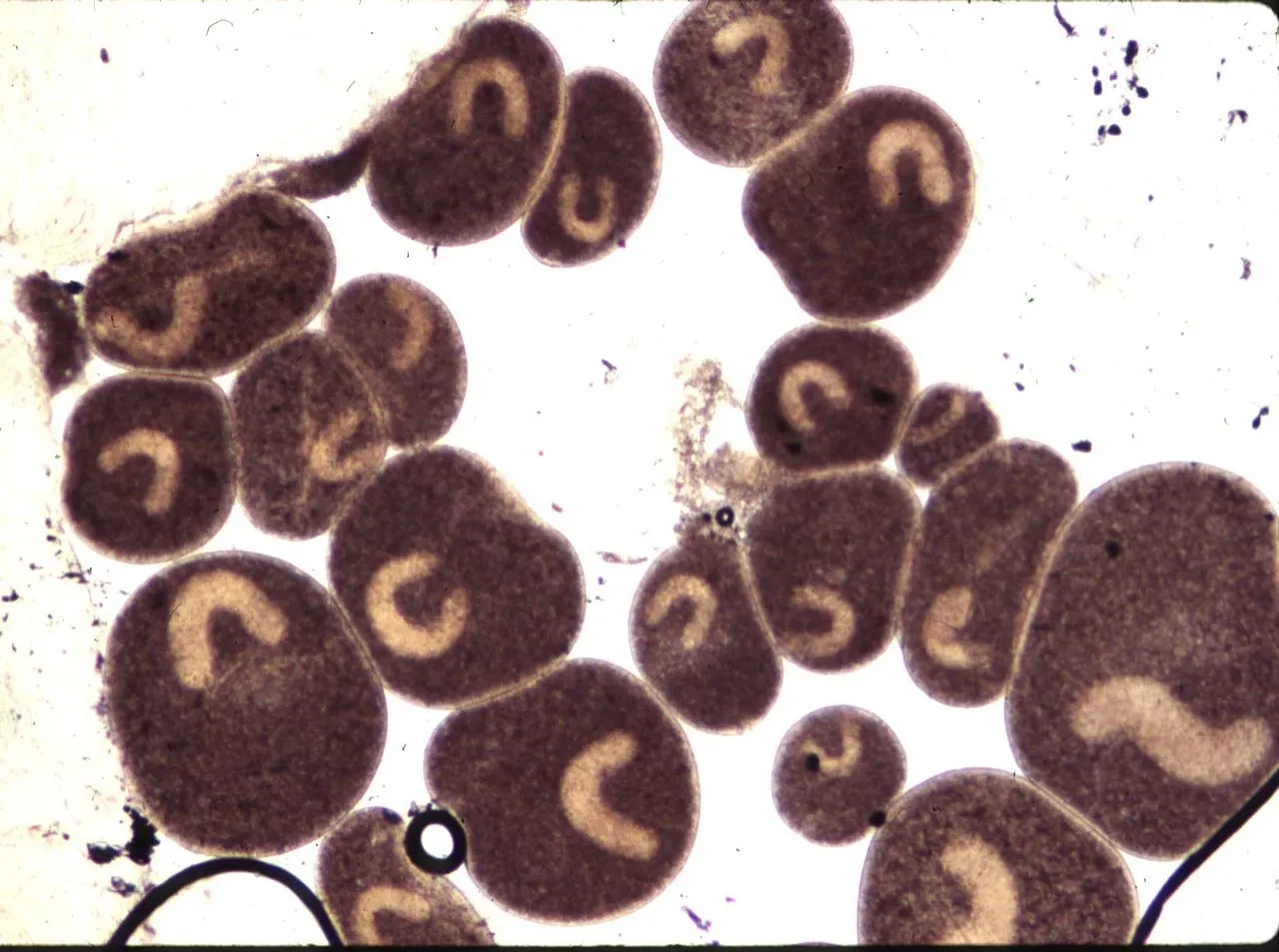
Ammonia spikes in new tanks are a setup problem, not bad luck. Completing the nitrogen cycle before stocking, seeding the filter with mature media, and adding fish slowly keeps ammonia at zero from day one.
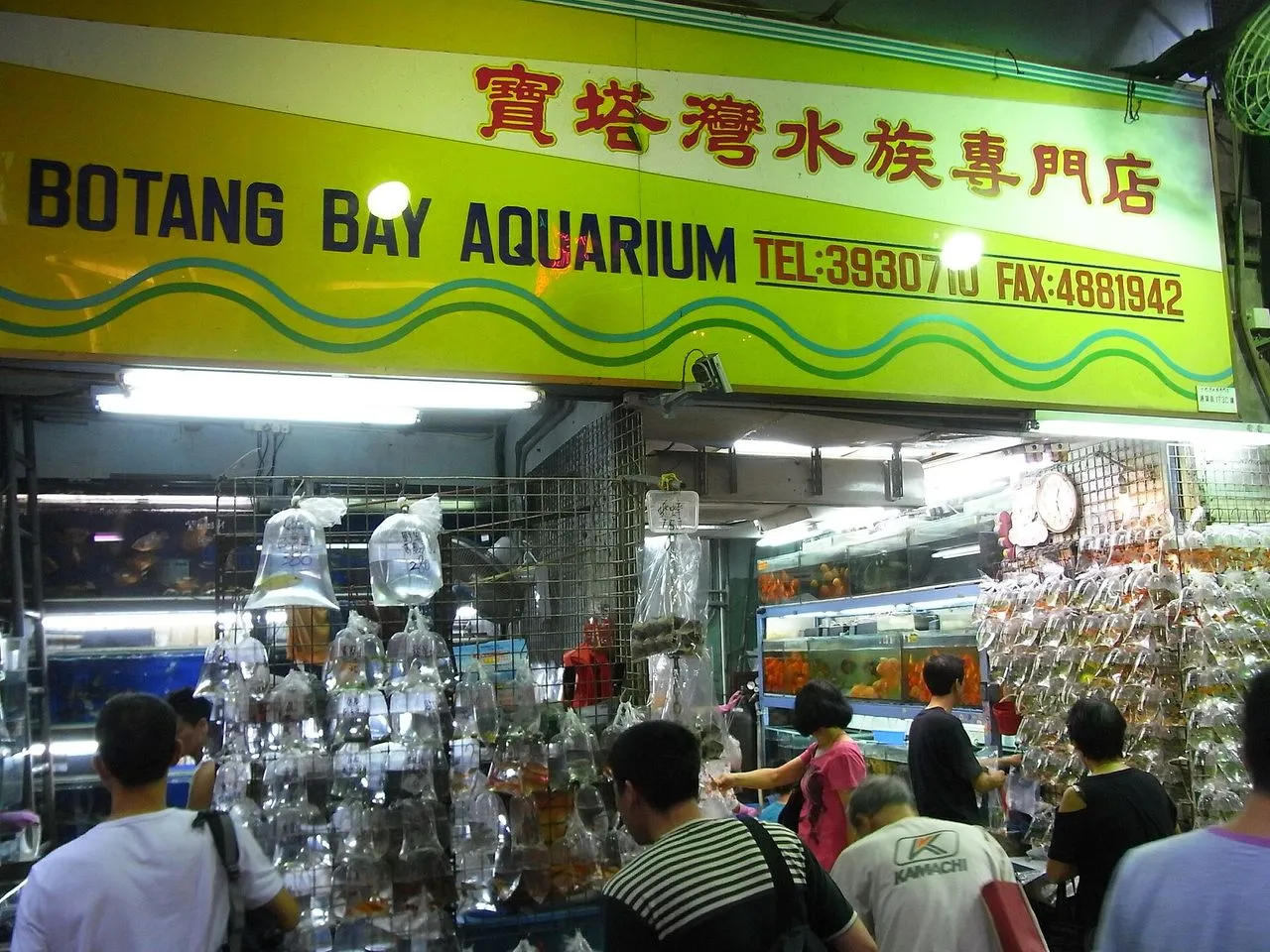
Sand vs Aquasoil for Planted Tanks
Sand and aquasoil serve different tanks. Sand is inert, safe for sand-sifting livestock, and lasts indefinitely; aquasoil lowers pH and KH, feeds roots, and exhausts in one to two years. The choice turns on water chemistry, plant load, and livestock.
Why Is My Fish Hiding All the Time?
Fish hiding in aquariums can signal stress, illness, aggression, or nothing at all — correct diagnosis turns on species, timing, and water chemistry. A triage guide for freshwater keepers.
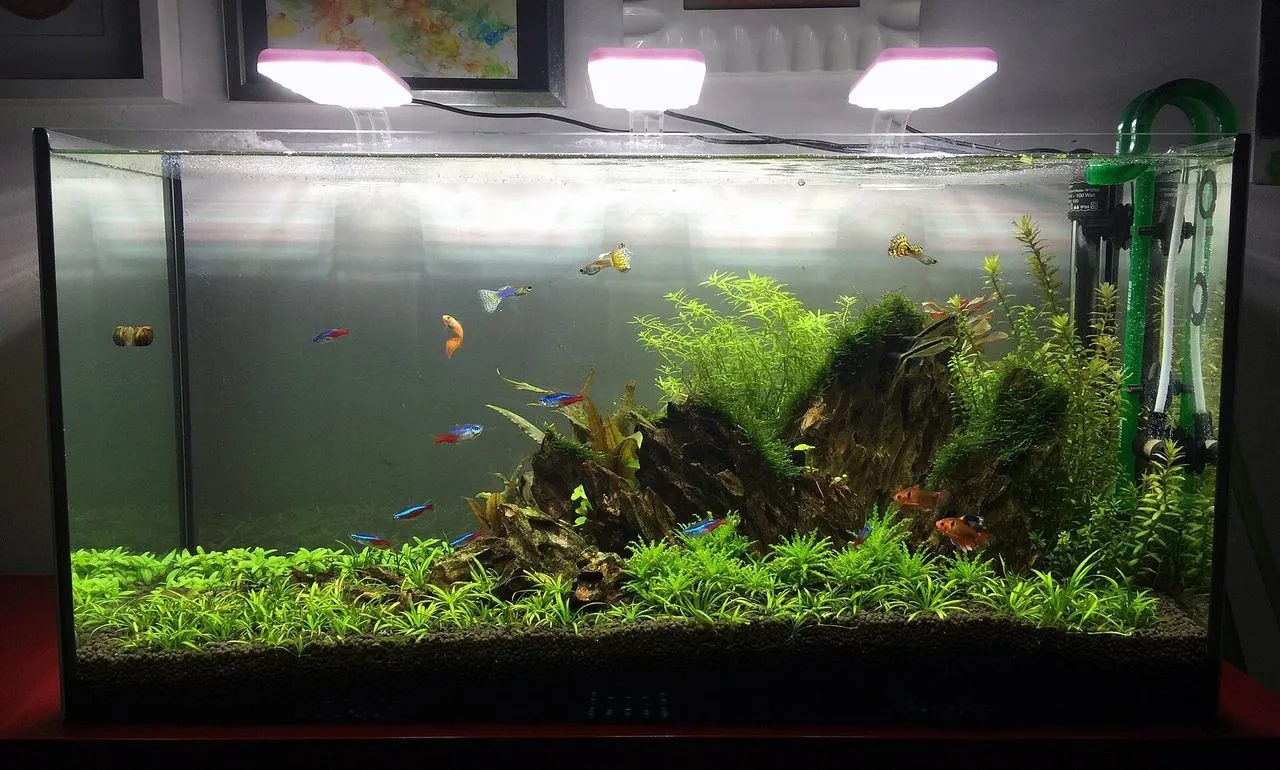
Why Won't My Aquarium Cycle?
A stuck aquarium cycle almost always traces to one of four chemistry problems: pH or KH too low, ammonia source wrong, temperature too cold, or something actively killing the bacteria. Identify which nitrogen step is stalled, then fix the root cause.
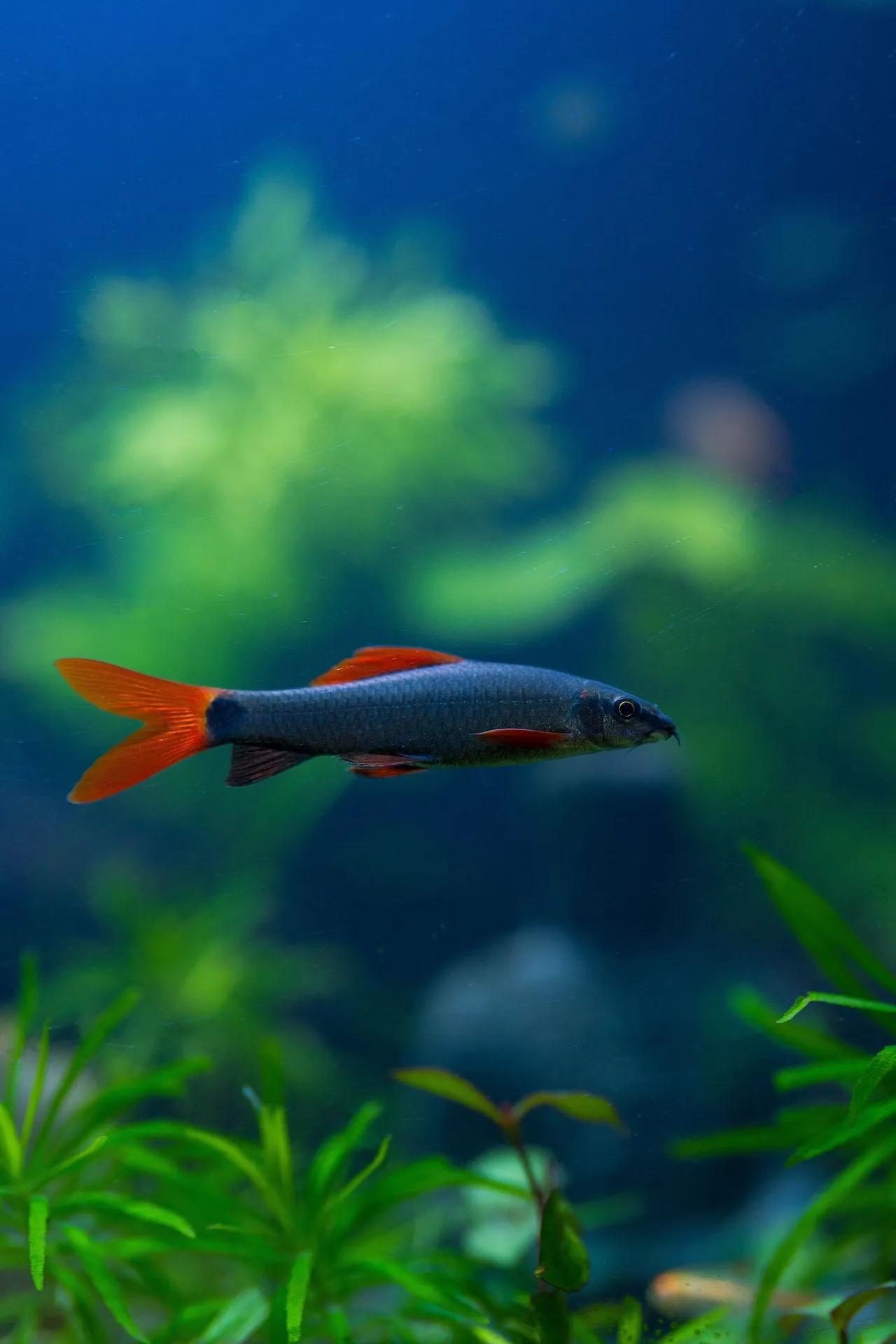
Canister vs Sump for Large Aquariums
Canister filters and sump systems solve large-tank filtration differently. Canisters are sealed, proven, and hidden; sumps offer far greater media volume and easier maintenance for tanks above 400 litres.
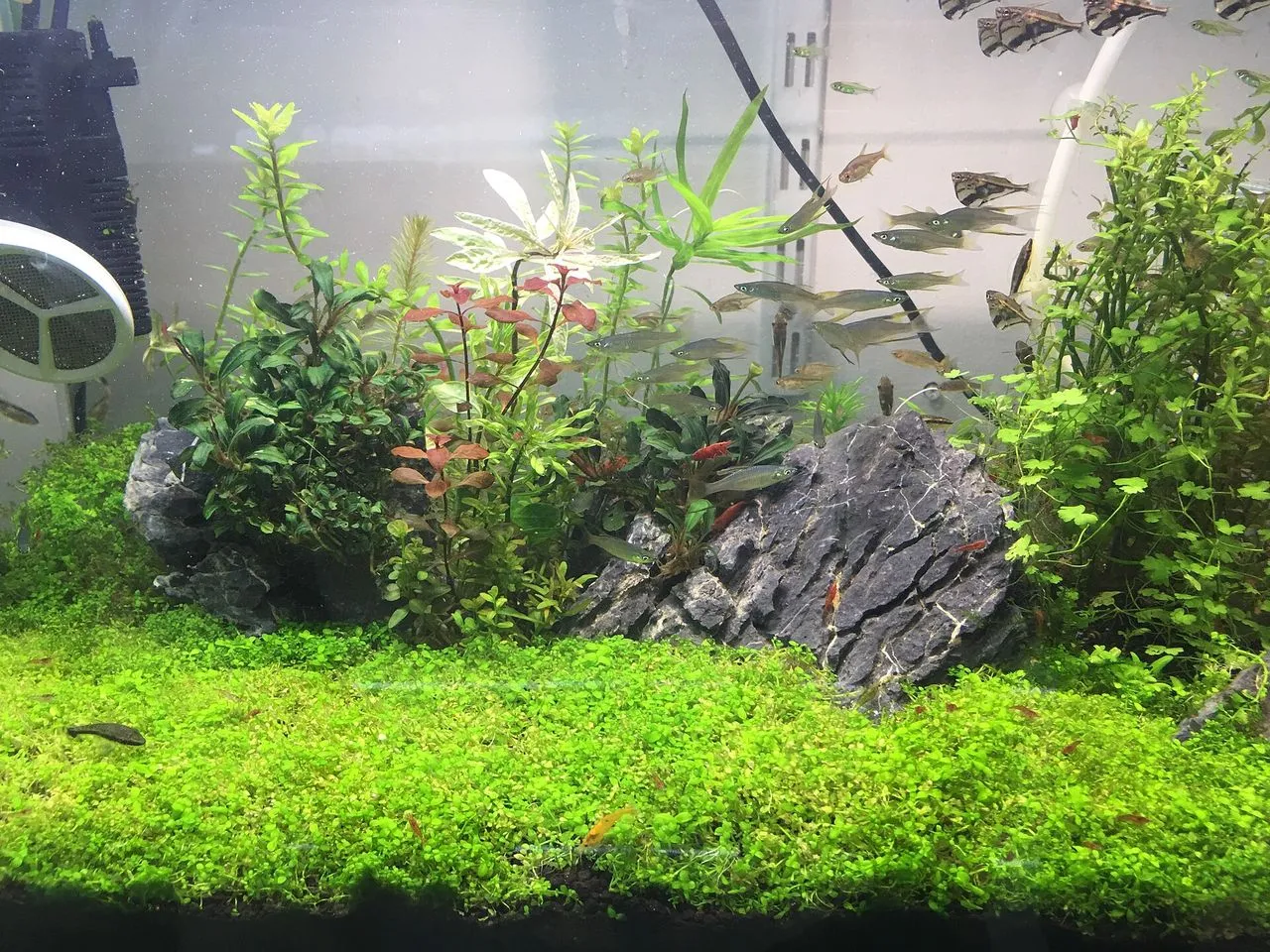
How to Prevent Ich Outbreaks
Ich prevention works because *Ichthyophthirius multifiliis* has a brief free-swimming stage that must find a host within hours or die. Quarantine, stable temperature, and careful sourcing keep it out of the display.
Why Is My Aquarium Water Yellow?
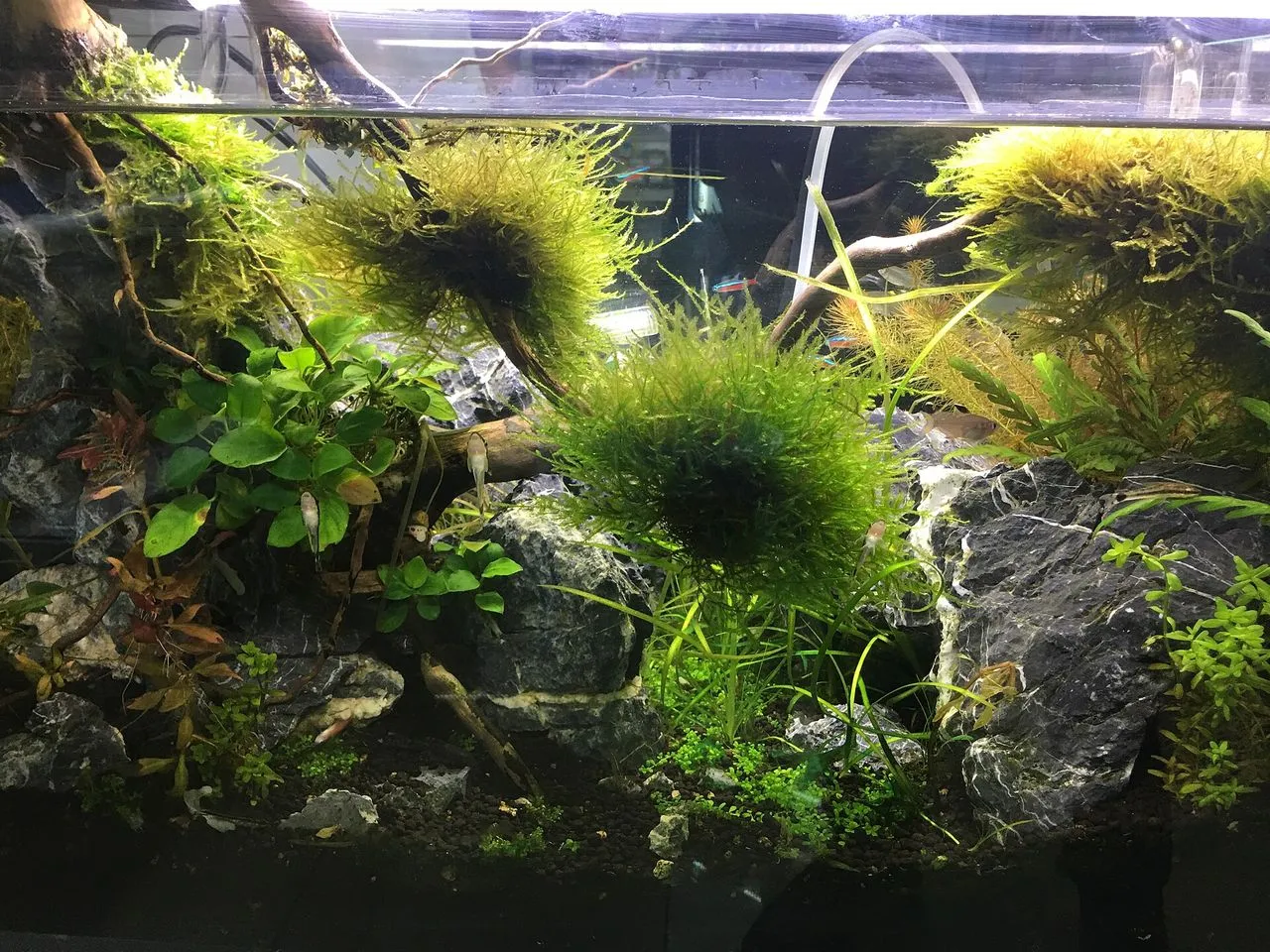
Yellow aquarium water is almost always tannin staining from driftwood or botanicals — harmless and often desirable — or dissolved organic carbon from infrequent maintenance, which is not.
Why Won't My Fish Eat?
Feeding refusal in aquarium fish ranges from normal post-transport stress to early-stage disease. Covers ten causes, acute vs chronic timelines, and targeted fixes.
Why Is My Fish Swimming Sideways?
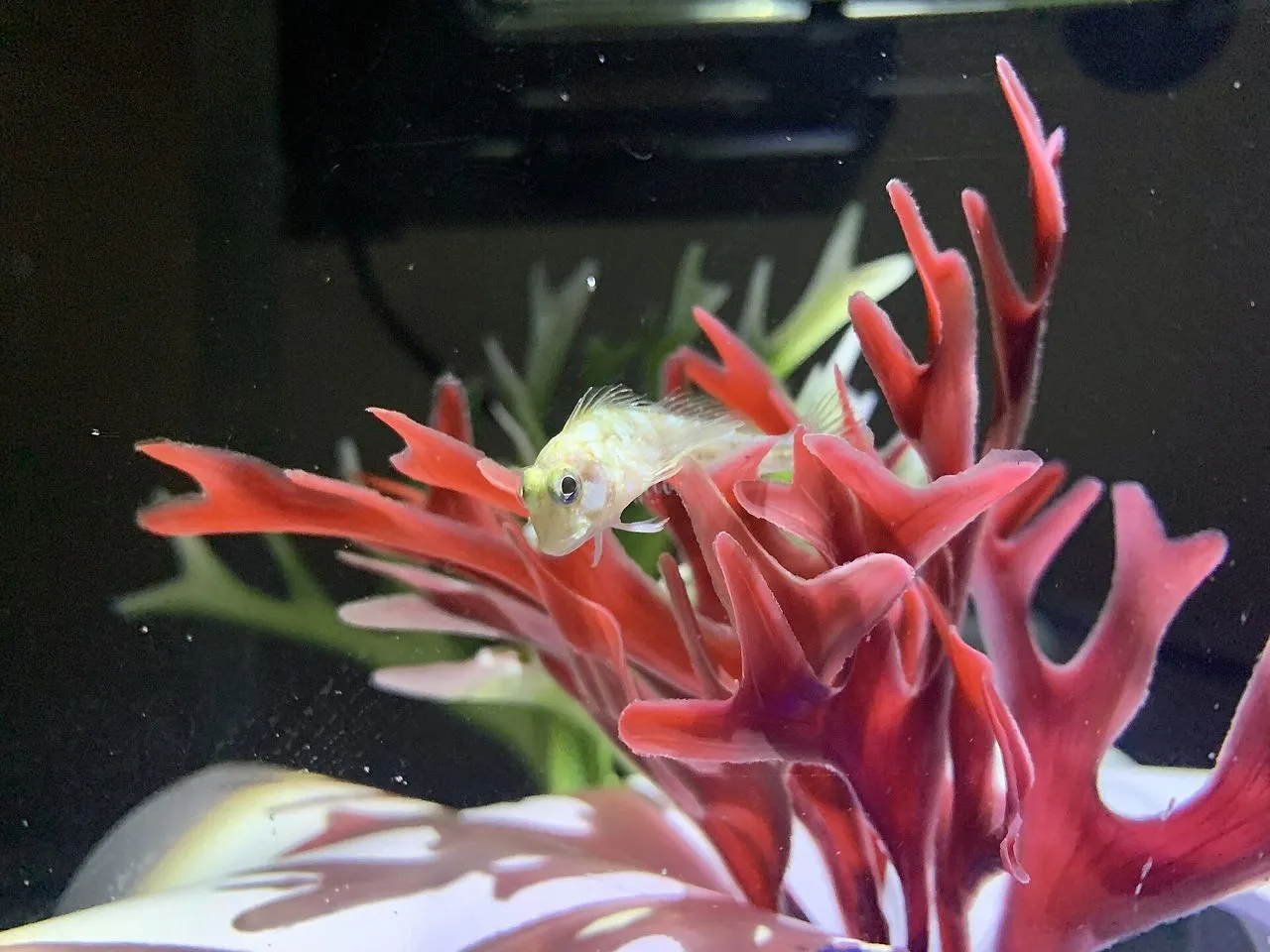
A fish swimming sideways signals anything from constipation in a fancy goldfish to terminal neurological collapse. Identify the presentation type and test water before attempting any treatment.
Why Is My Fish Scratching on Decor?
Fish scratching on decor — called flashing or glancing — signals ectoparasites or water-chemistry irritation. Diagnose by accompanying signs, affected species, recent events, and a water test before medicating.
Why Is My Aquarium Water Suddenly Cold?
A sudden drop in aquarium temperature is a 24-hour emergency for tropical fish. Heater failure is the most common cause, but cold water changes, power outages, and room temperature drops all produce the same result.
Why Is My Aquarium pH Dropping?
Falling aquarium pH traces to KH exhaustion, heavy bioload, CO2 overdose, or skipped water changes. Identify the cause and fix it without pH-adjusting products.
Bacterial vs Fungal Disease: Columnaris, Saprolegnia and Treatment Choice
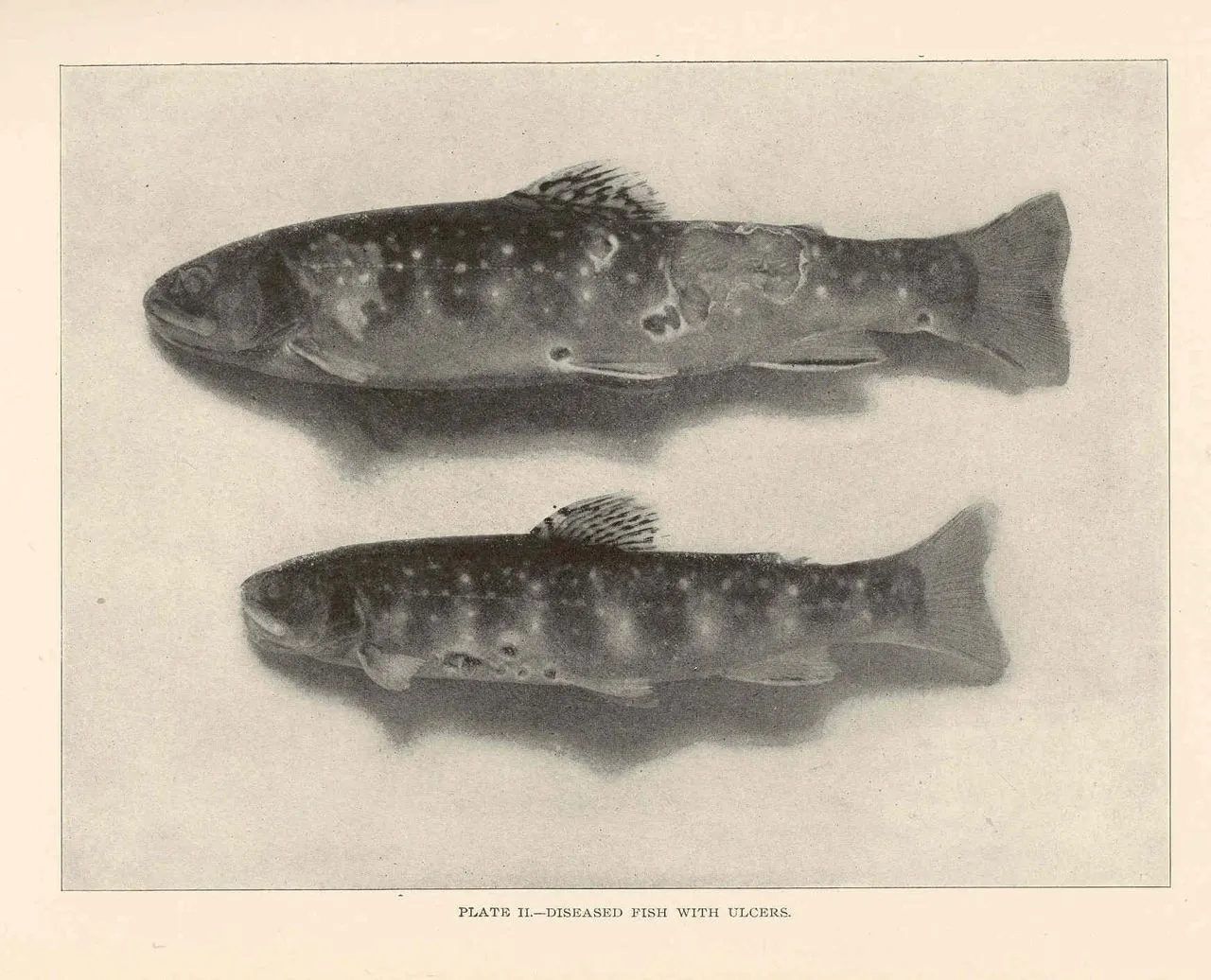
Bacterial and fungal problems look similar only from across the room. True fungus is usually cottony growth on dead tissue or eggs.
Sponge Filter vs HOB Filter: Which Is Right for Your Tank?
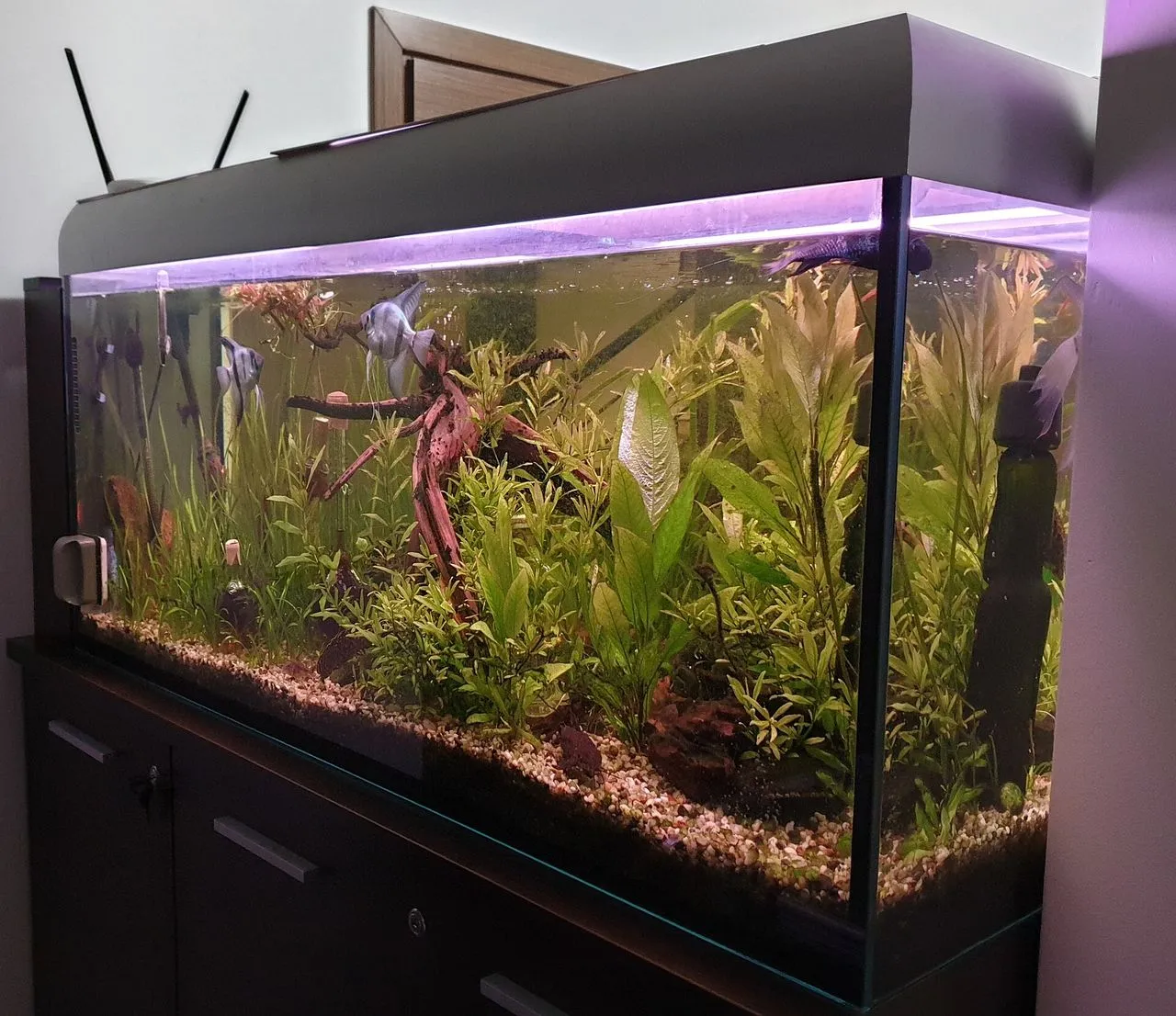
Sponge filters and hang-on-back filters serve different aquarium roles. Sponges win for shrimp, fry, quarantine, and low-tech tanks.
Why Is My Aquarium Water Cloudy?
Cloudy aquarium water has four distinct causes — bacterial bloom, substrate fines, green-water microalgae, and diatom dust — each with its own fix.
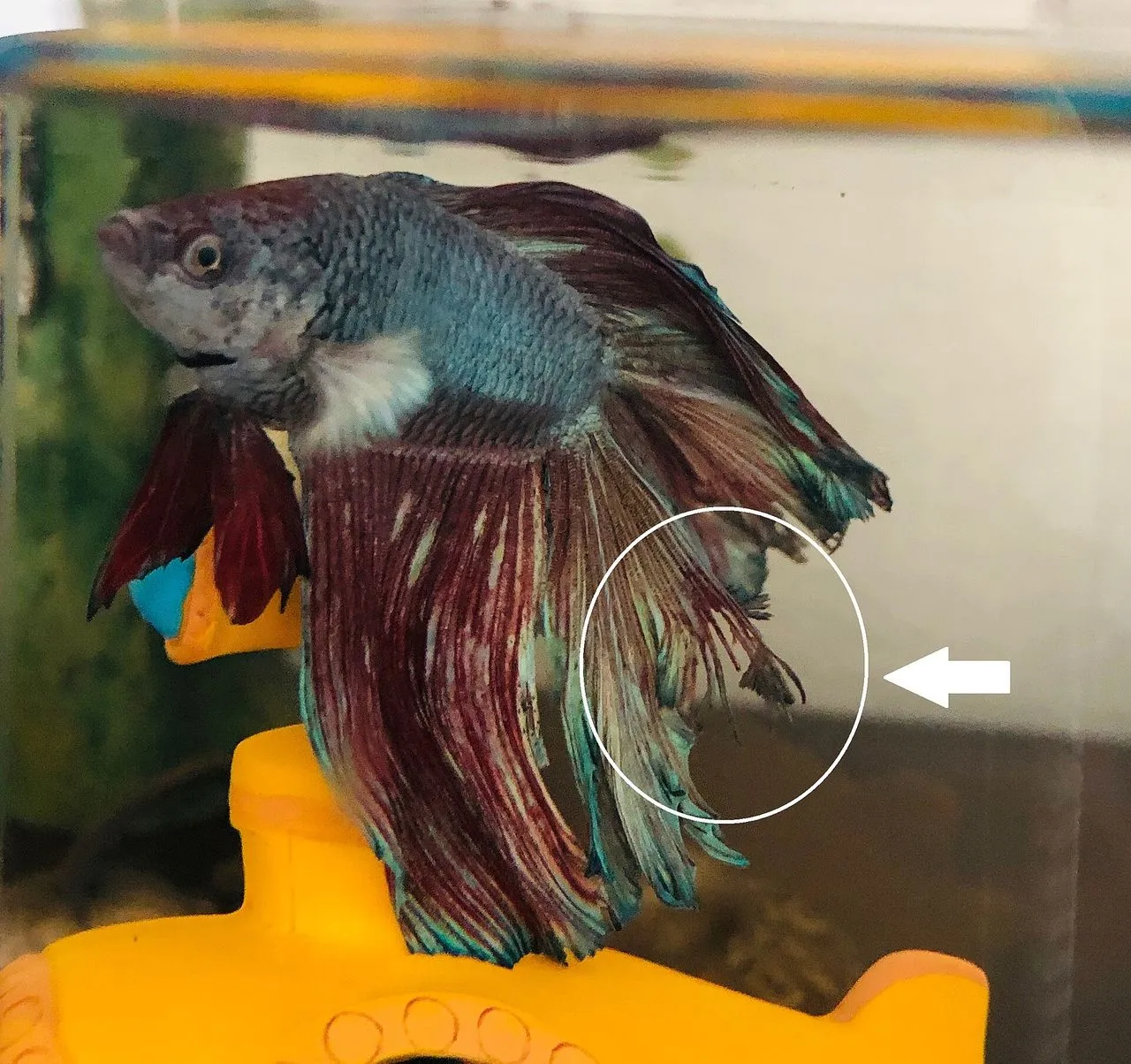
Fin Rot Diagnosis: Causes, Treatment and Recovery
Fin rot is progressive fin-tissue loss, usually bacterial and usually triggered by poor water, injury, crowding, or stress.
Water Hardness: GH and KH Explained
GH measures calcium and magnesium; KH measures carbonate buffering. One does not predict the other. Match GH and KH to the animals: Rift Lake cichlids and.
LED Lighting for Planted Tanks: PAR, Spectrum and Photoperiod
Planted-tank lighting should be specified by PAR at depth, not by lumens or colour temperature. Low-light plants grow at 20 to 40 µmol/m²/s.
Ich White Spot Treatment: Lifecycle, Heat and Salt
Ich is a ciliate parasite, *Ichthyophthirius multifiliis*, with a protected feeding stage on the fish and a vulnerable free-swimming stage.
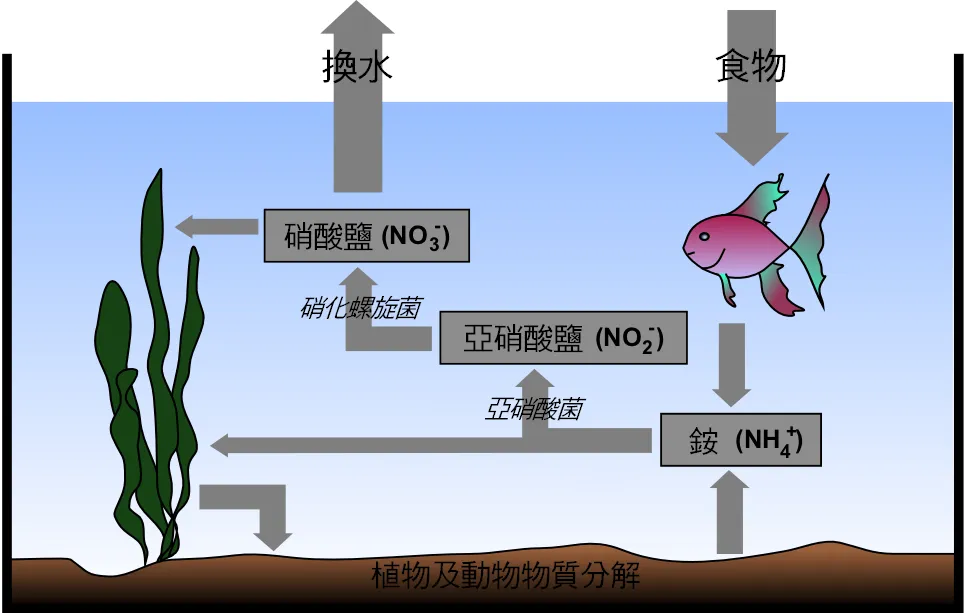
Nitrogen Cycle Explained: Ammonia, Nitrite and Nitrate
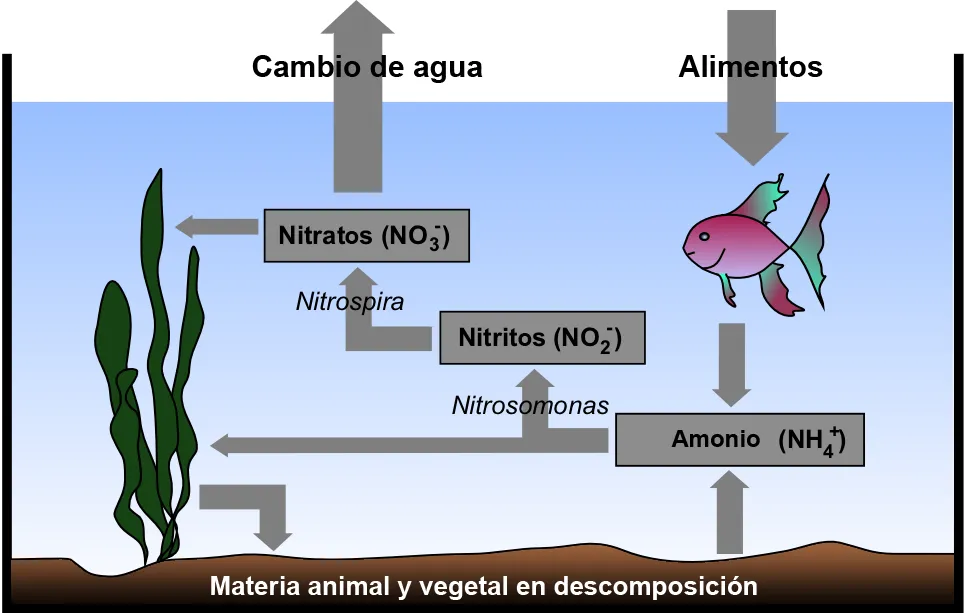
Bacterial ammonia conversion is the central safety system in freshwater aquaria. Fish and decomposing food produce ammonia.
Algae Diagnosis and Control: Green Water, BBA, Staghorn and Diatoms
Algae control starts with identification. Green water, green spot, green dust, black beard algae, staghorn.
Water Changes: Frequency, Volume and Technique
A 30% weekly water change is the best default for ordinary freshwater aquaria, but measurement should refine the schedule.
pH and Buffering: KH, CO2 and Stable Aquarium Chemistry
pH is the result of buffering, carbon dioxide, acids, and source water, not a number to chase with bottled adjusters.
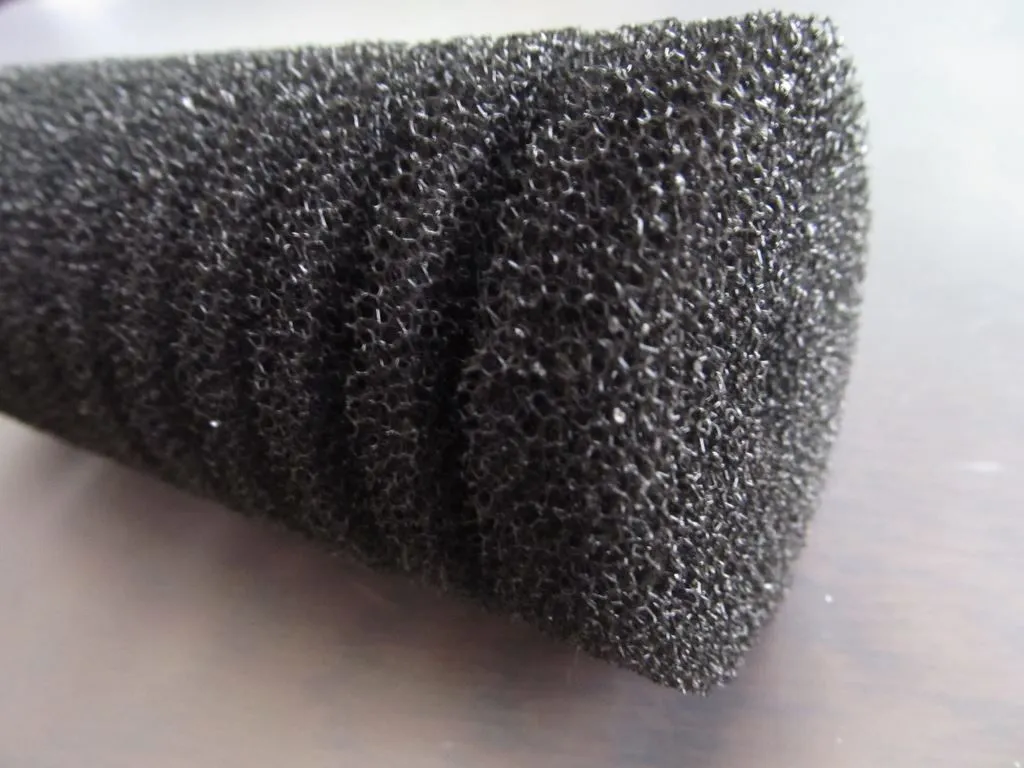
Choosing a Filter: Sponge, HOB, Canister and Sump
Choose filters by biological capacity, oxygenated media volume, accessibility, and livestock safety, not by a turnover number printed on a box.
Reverse Osmosis Water: When to Use It and How to Remineralise
RO water is a tool for controlling minerals. It removes most dissolved ions, leaving GH 0 and KH 0 or near-zero.
Acclimating New Fish: Temperature, TDS and First-Week Survival
Acclimation prevents temperature shock and osmotic shock, but it cannot fix poor stock or dirty bag water.
Cycling a New Aquarium: Fishless Method and Timelines
Fishless cycling builds the biofilter before fish enter the aquarium. Dose pure ammonia to 1 to 4 ppm, keep the filter warm and oxygenated.
CO2 Injection Setup: Pressurised Safety for Planted Tanks
Pressurised CO2 is a plant-growth tool with livestock risk. Use a regulator, solenoid, bubble counter, check valve, diffuser or reactor, timer.
Substrate Selection: Sand, Gravel, Aquasoil and Species Safety
Substrate is both habitat and chemistry. Fine sand protects barbels and burrowing loaches; gravel traps waste but anchors plants.
Quarantine Tank Protocol: 30 Days Before the Display
Quarantine is a controlled observation period, not a punishment tank. A bare-bottom aquarium with mature sponge filter, heater when needed, hiding cover.
Why Are My Fish Gasping at the Surface?
Fish gasping at the surface is an emergency signal. The four common causes are low dissolved oxygen, ammonia or nitrite poisoning, gill parasites.