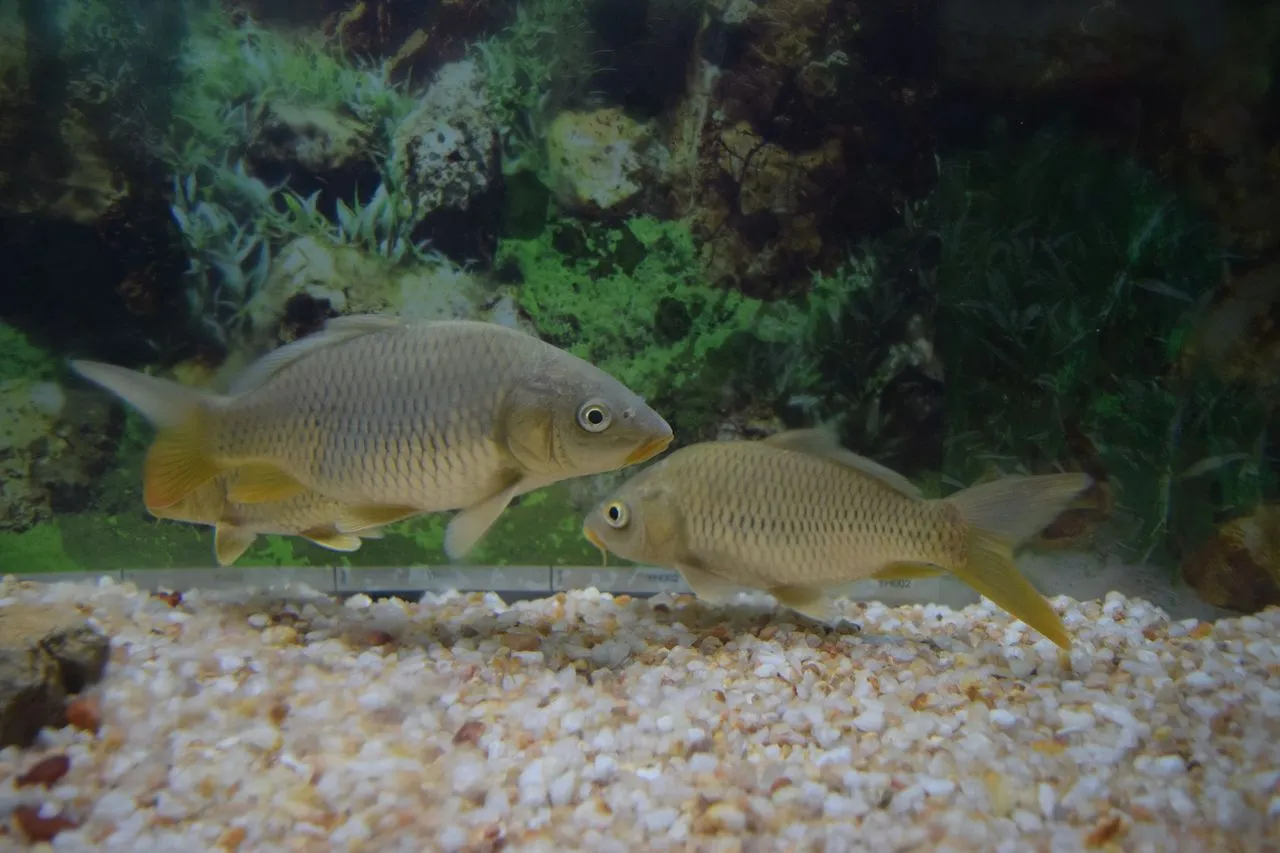
Answer: A 30% weekly water change is the best default for ordinary freshwater aquaria, but measurement should refine the schedule. Change enough water to control nitrate, dissolved organics, conductivity drift, and visible debris without shocking temperature or TDS-sensitive animals. Technique matters as much as volume.
A 30% weekly water change is the best default for ordinary freshwater aquaria, but measurement should refine the schedule. Change enough water to control nitrate, dissolved organics, conductivity drift, and visible debris without shocking temperature or TDS-sensitive animals. Technique matters as much as volume. The practical question is not whether the tank looks clear today, but whether the mechanism behind the reading or symptom is understood well enough to prevent repetition.
Part of the The Complete Aquarium Care Guide.
Problem Statement
The common failure is simple: closed aquaria accumulate waste and minerals because evaporation removes water but leaves dissolved solids behind. The water may remain visually clear while chemistry, oxygen, or microbial balance is already unsafe. Clear water is not a diagnostic result. A tank can read 0.5 ppm ammonia with polished water, or carry a parasite outbreak under perfect-looking aquascaping.
This matters most for tropheus duboisi, crystal red shrimp, and bronze corydoras. These animals expose mistakes quickly because their gills, osmoregulatory systems, skin, or moulting biology leave little margin. A robust zebra danio may survive a lapse that kills a ram cichlid or shrimp colony.
Mechanism
Nitrification turns ammonia into nitrate; feeding adds phosphate and dissolved organics; top-offs concentrate minerals. Accumulated dissolved organics also produce yellow or amber water — an early visible sign that water changes are overdue. Water changes reset the trend line and restore trace balance. In practical terms, the aquarium is a set of rates: waste enters, bacteria process it, plants consume part of it, water changes remove the remainder, and equipment moves oxygen to the surfaces doing the work.
Temperature changes those rates. At 28 °C, fish metabolism, pathogen reproduction, and oxygen demand all rise. At low oxygen, nitrifiers slow before many keepers notice fish distress. pH changes toxicity: ammonia is more dangerous in alkaline water, while low KH makes acidification more likely. The point is to correct causes rather than treating every symptom as an isolated accident.
Diagnostic Checklist
| Reading or observation | What it suggests | First response |
|---|---|---|
| Ammonia above 0 ppm | Biofilter overloaded, immature, or damaged | Stop feeding for 24 hours, test source water, protect filter media |
| Nitrite above 0 ppm | Nitrite oxidisers lagging behind ammonia oxidisers | Add aeration, water change, chloride protection where appropriate |
| Nitrate rising weekly | Normal end-product accumulation or overfeeding | Adjust water-change volume and feeding |
| Sudden pH shift | KH exhaustion, CO2 change, or source-water mismatch | Test KH before adding any pH chemical |
Record results in units. "Fine" is not a value. Use ppm for ammonia, nitrite, and nitrate; °dH for GH and KH; °C for temperature; µS/cm or TDS when comparing source water and shop water. Re-test any surprising result before making a large correction.
Immediate Actions
- Test ammonia, nitrite, nitrate, pH, KH, and temperature before adding medication or chemicals.
- Add aeration if fish breathe rapidly, hover at the surface, or cluster near filter outlets.
- Perform a 25 to 50% water change when ammonia or nitrite is detectable, matching temperature within 1 to 2 °C.
- Stop feeding for 24 hours in water-quality emergencies; adult fish tolerate a day without food far better than they tolerate ammonia.
- Protect the biological filter. Rinse media only in dechlorinated water or removed tank water, and keep it wet during maintenance.
If livestock is newly purchased, move diagnosis into Quarantine Tank Protocol rather than risking the display. If the issue began after new fish arrived, read Acclimating New Fish before assuming the shop or the home tank is solely responsible.
Ongoing Prevention
Prevention is a schedule, not a rescue purchase. Keep a weekly log of nitrate, maintenance volume, plant trimming, feeding changes, and any deaths. A stable community tank might need only 30% weekly water changes; a heavily fed cichlid tank or grow-out system may need 50% twice weekly. Shrimp and blackwater systems often benefit from smaller changes because TDS stability matters.
Cross-check related systems: Nitrogen Cycle Explained, Choosing a Filter, Substrate Selection. These topics overlap because aquarium failures rarely respect article boundaries. Lighting changes affect algae; CO2 changes affect pH; substrate changes affect hardness; new fish affect disease pressure and bioload.
Common Mistakes
- Treating symptoms before measuring. Medication in bad water gives two stressors instead of one solution.
- Changing too many variables. Altering pH, light, fertiliser, filter media, and feeding in the same week makes cause and effect impossible to read.
- Trusting livestock as test kits. By the time sensitive fish gasp, clamp fins, or stop feeding, damage may already be underway.
- Assuming the display is safer than quarantine. A mature display has stable biology, but it also contains animals worth protecting from an unobserved newcomer.
- Cleaning the filter too thoroughly. Sterile media is not clean media; it is uncycled media.
FAQ
How quickly should improvement appear?
Water-quality corrections should improve breathing and posture within hours if toxins were the cause. Tissue damage, parasite burdens, algae, and plant deficiencies take days to weeks because biology must regrow, detach, or complete lifecycles.
Is a large water change dangerous?
A large change is safe when temperature, dechlorination, and mineral content are matched. It is dangerous when straight cold tap water or very different TDS water is added suddenly to soft-water fish or shrimp.
Should carbon be used in the filter?
Activated carbon is useful after medication or for removing specific organic contaminants. It is not a substitute for biological media, water changes, or diagnosis.
When is a veterinarian needed?
Mass deaths, deep ulcers, neurological signs, repeated treatment failure, or valuable breeding stock justify aquatic veterinary help. Home diagnosis has limits.
See Also
Frequently Asked Questions
What should I test first?
Test ammonia, nitrite, nitrate, pH, KH, GH, and temperature before treating. These numbers separate water-quality problems from disease or equipment faults.
Can this be fixed without chemicals?
Often yes. Water changes, stable temperature, correct hardness, mature filtration, and reduced feeding fix many early care problems without medication.
How often should I re-test?
Daily during emergencies, weekly during a new setup, and monthly in stable mature tanks unless livestock, source water, or equipment changes.
Does this apply to shrimp tanks?
Yes, but shrimp need gentler changes. Match TDS and temperature carefully and avoid copper-containing medications or abrupt mineral shifts.
Sources & References
- Hovanec, T.A. & DeLong, E.F. (1996). Comparative analysis of nitrifying bacteria associated with freshwater and marine aquaria. Applied and Environmental Microbiology.
- Noga, E.J. (2010). Fish Disease: Diagnosis and Treatment. Wiley-Blackwell.
- Walstad, D. (2013). Ecology of the Planted Aquarium. Echinodorus Publishing.
- Stoskopf, M.K. (1993). Fish Medicine. W.B. Saunders.